About Tailoring at The Dressing Lab. Lead Time & Pricing Overview. Click here for more details.
This is an appointment-only establishment. Please book your desired visit date through this link.
Dress Line "Jacket"
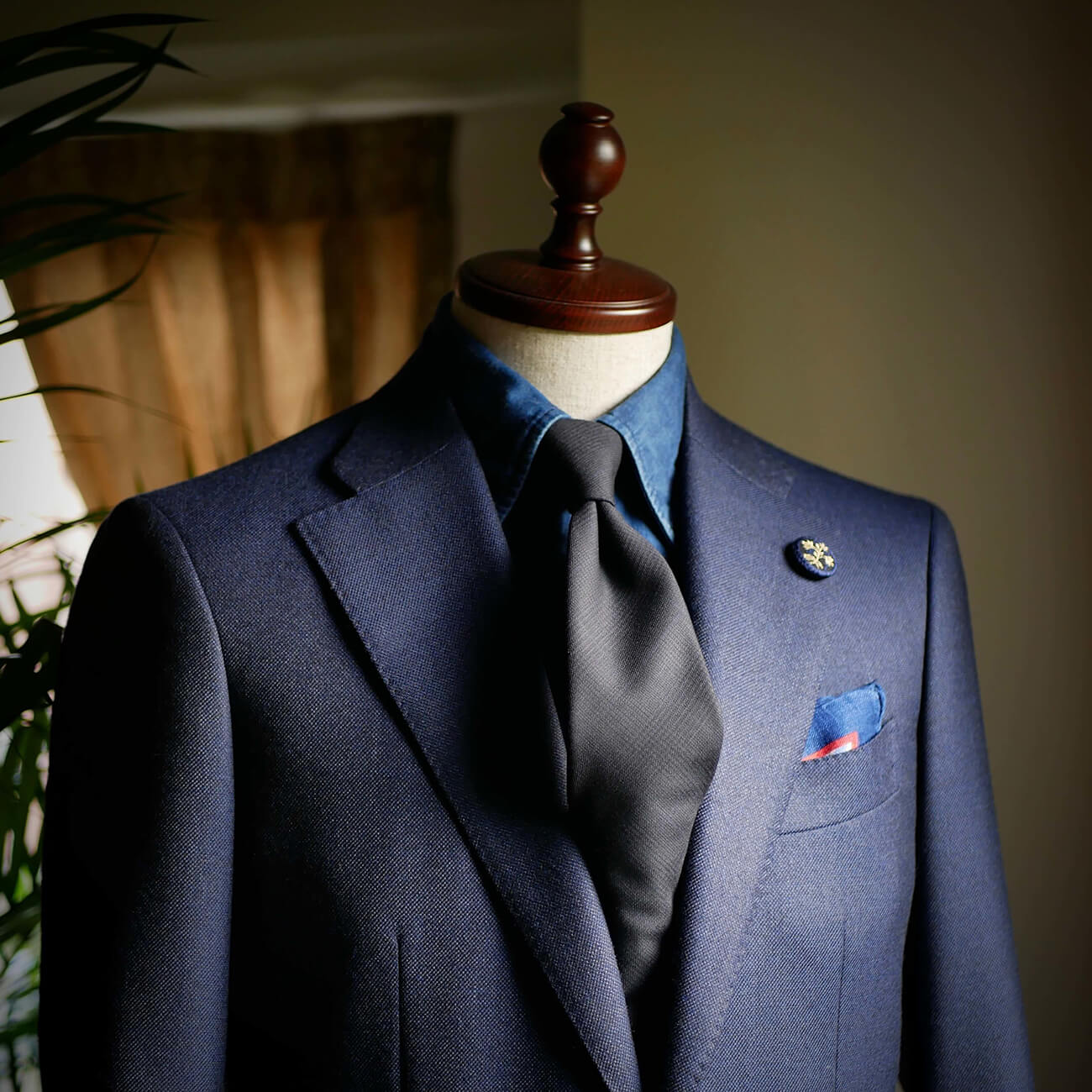
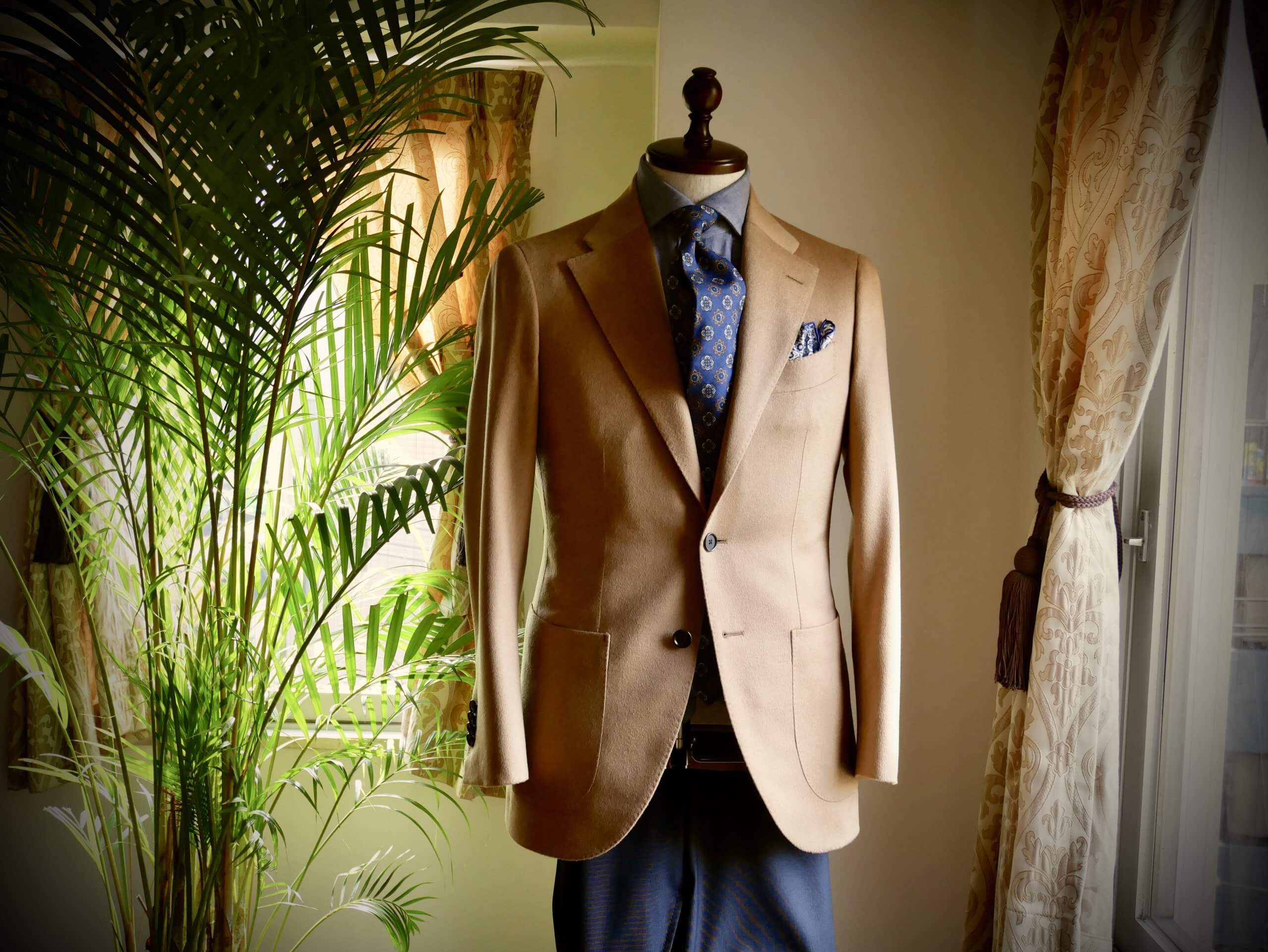
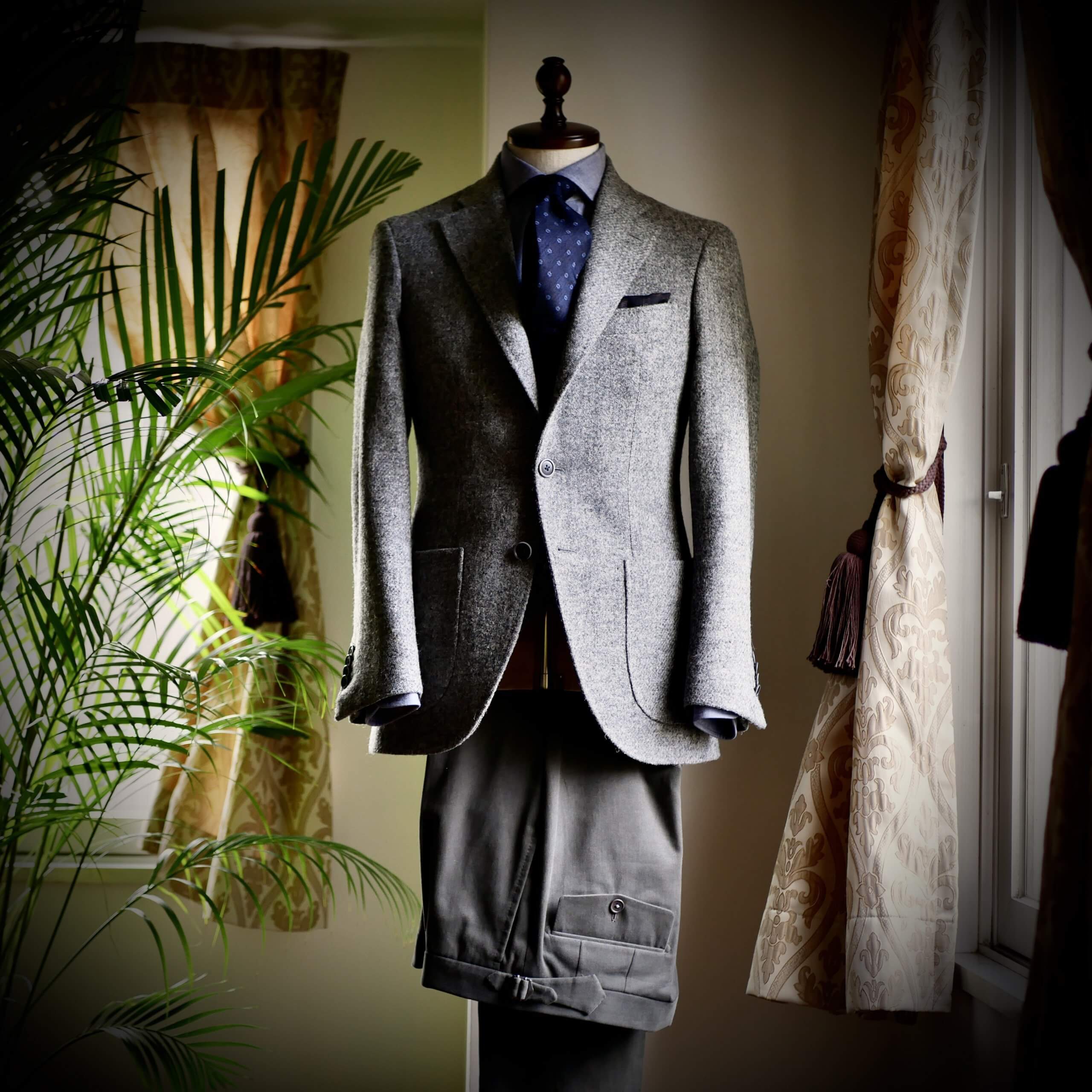
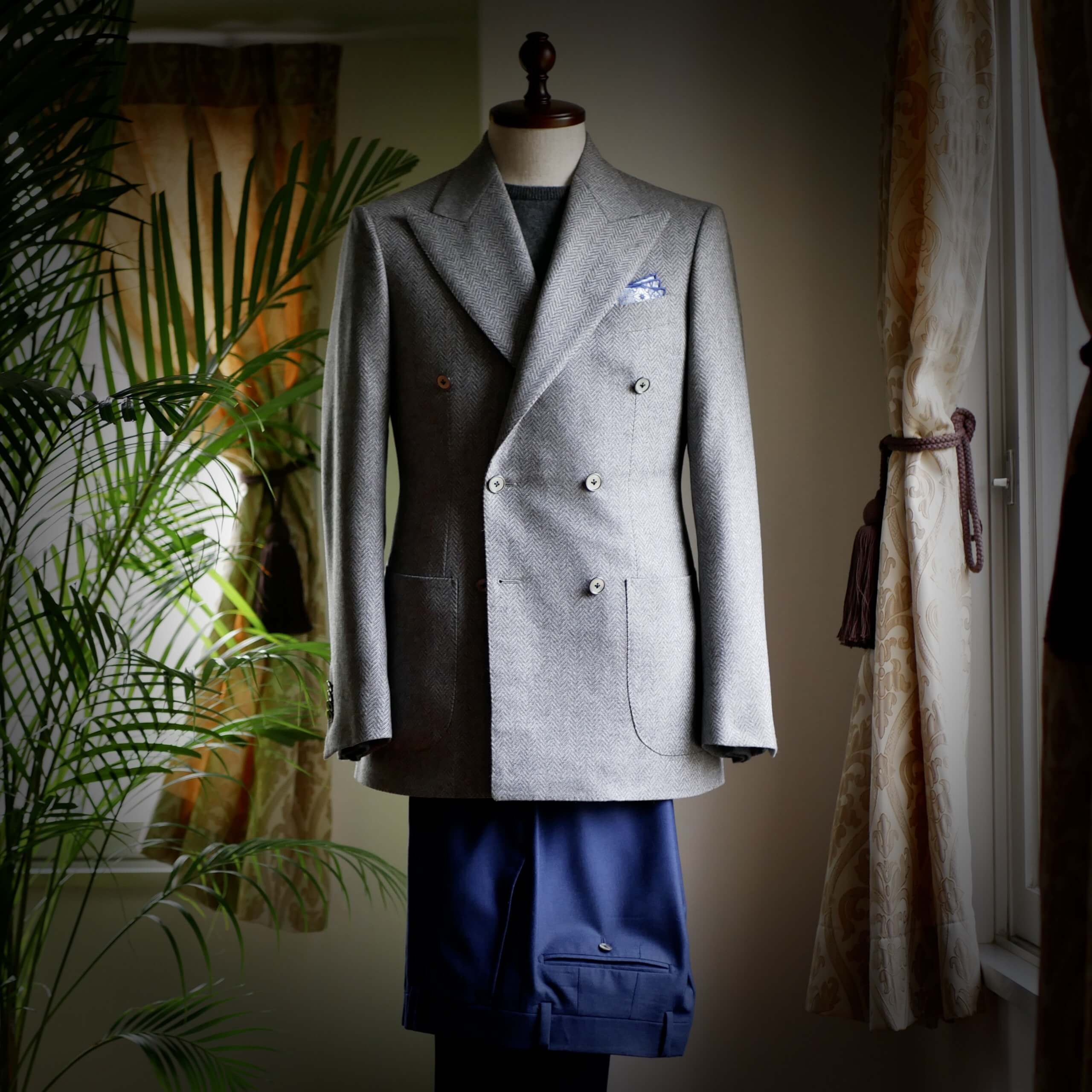
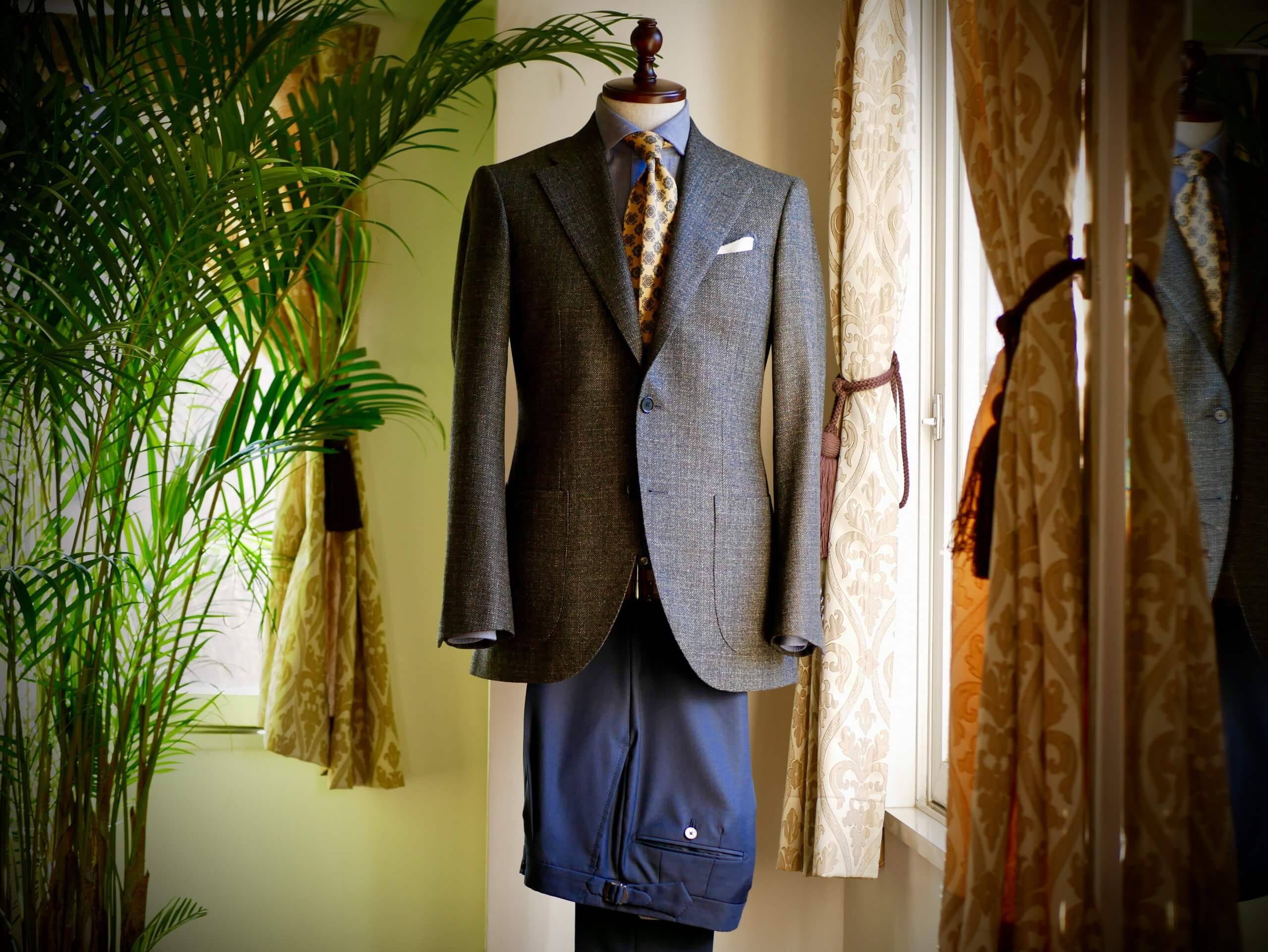
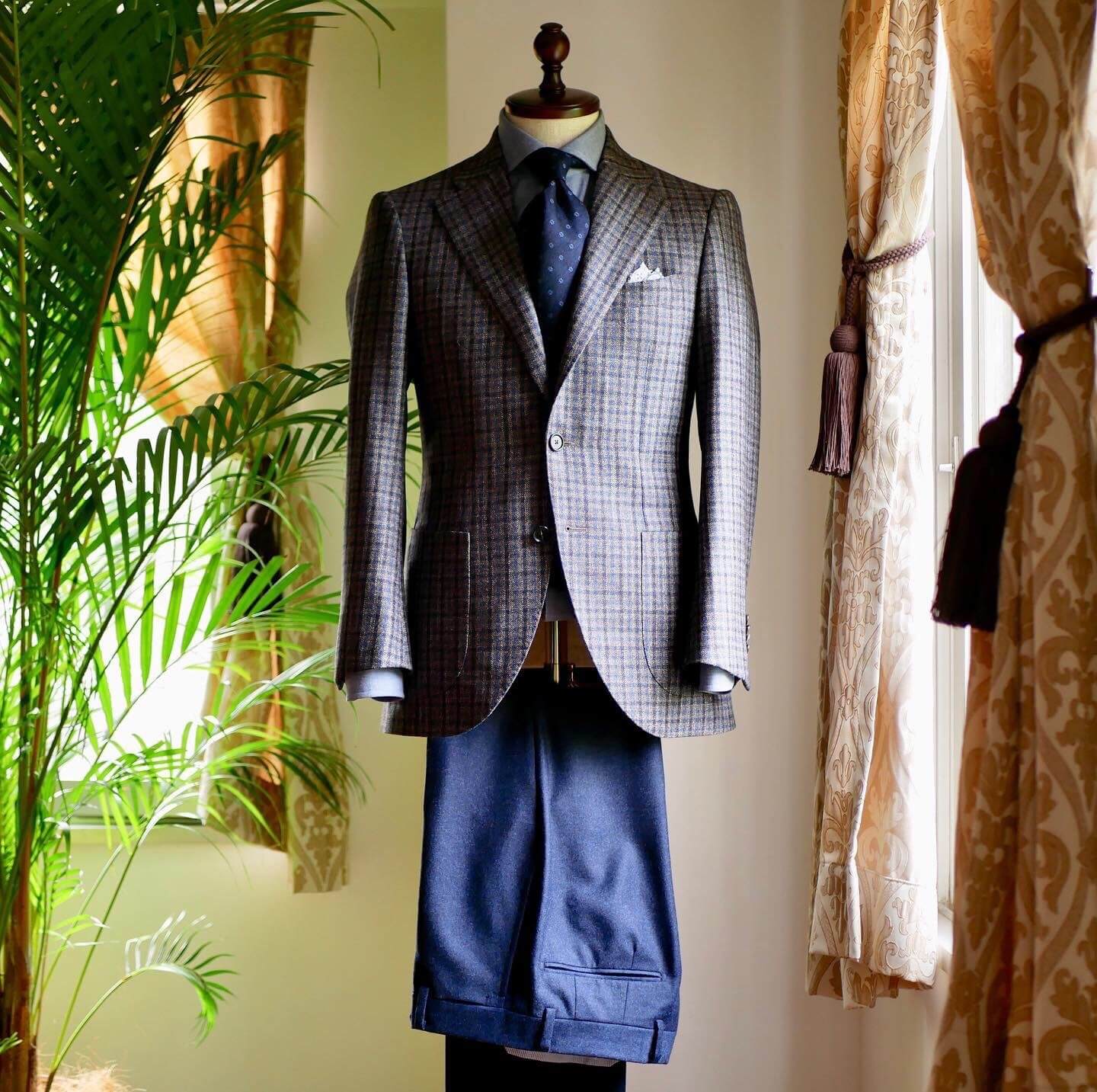
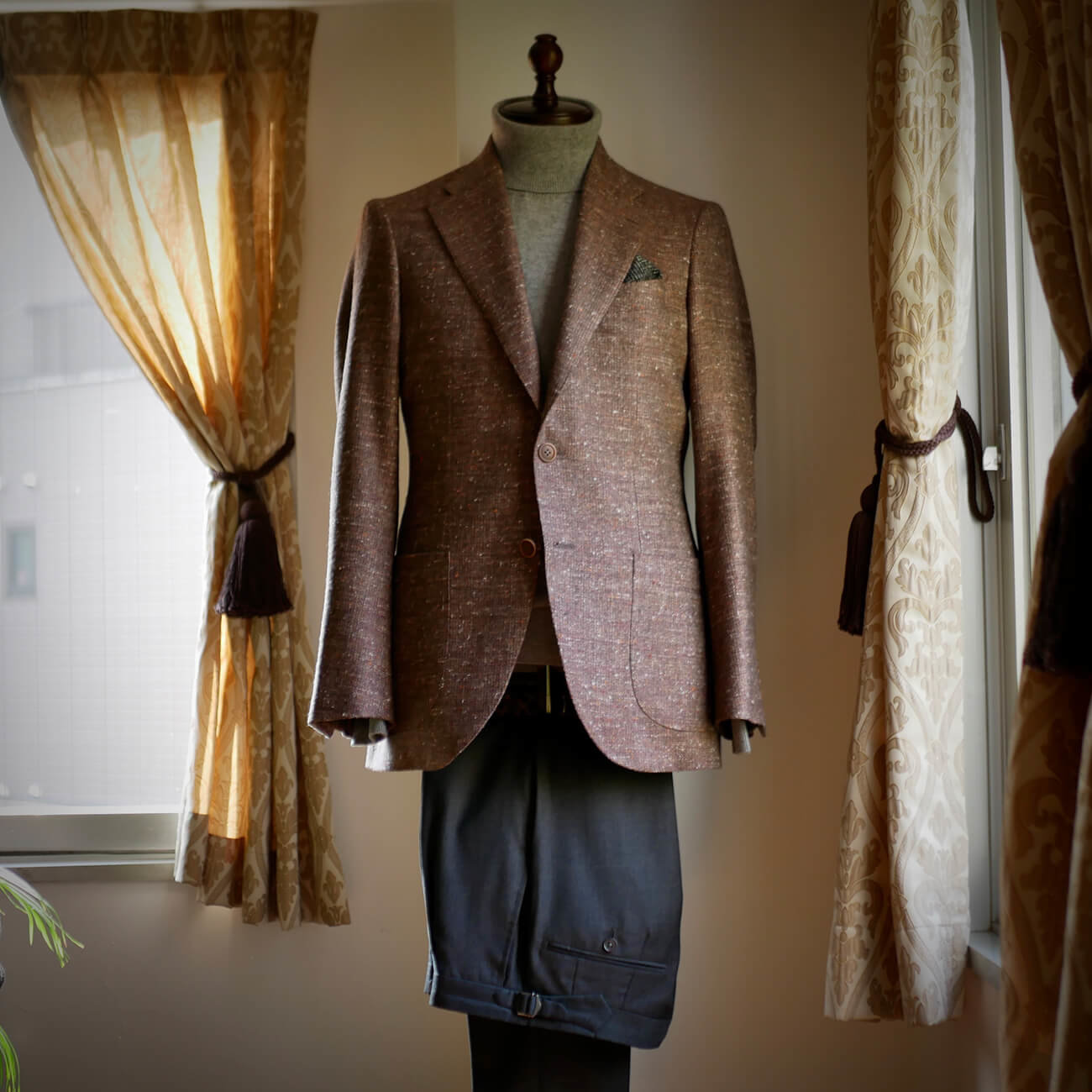
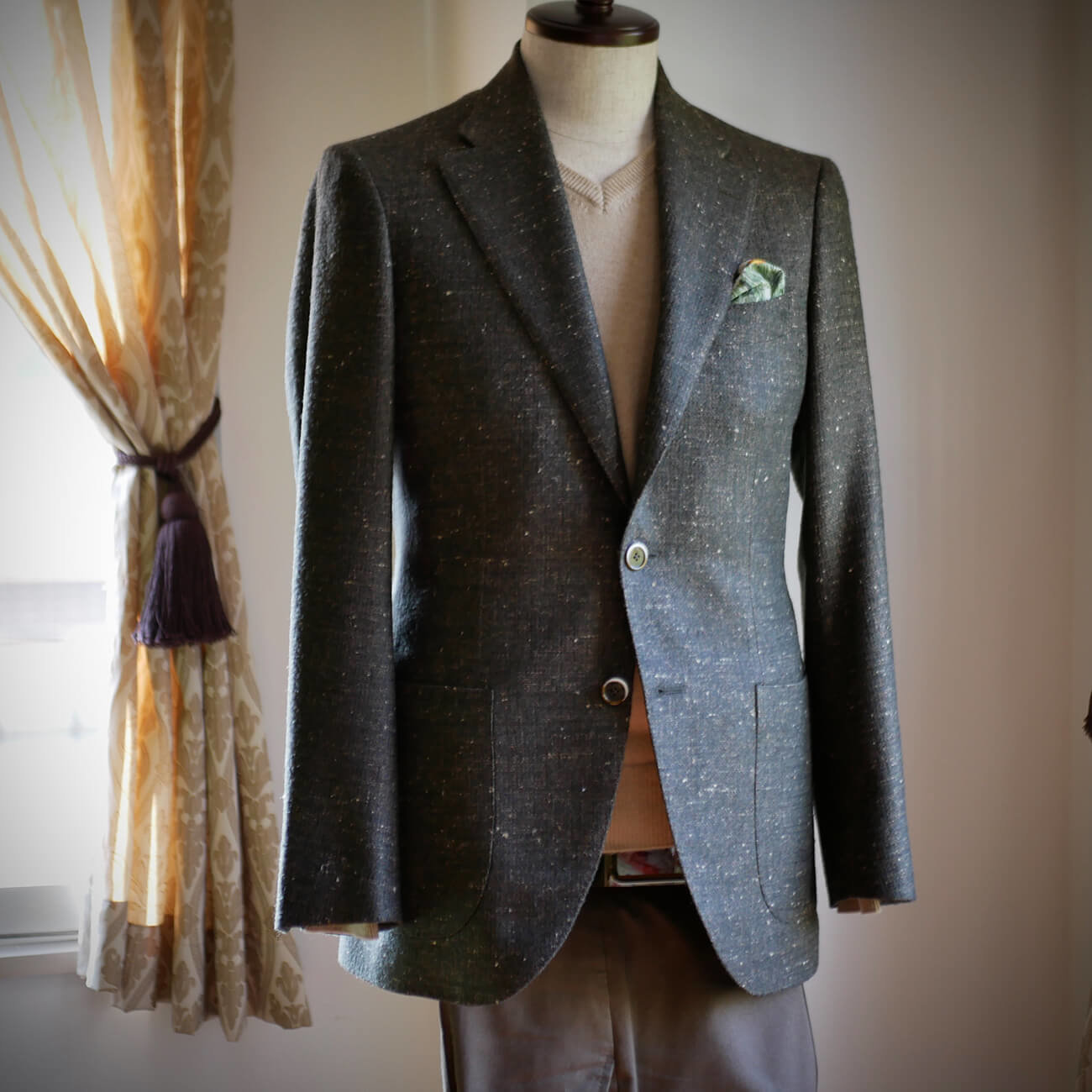
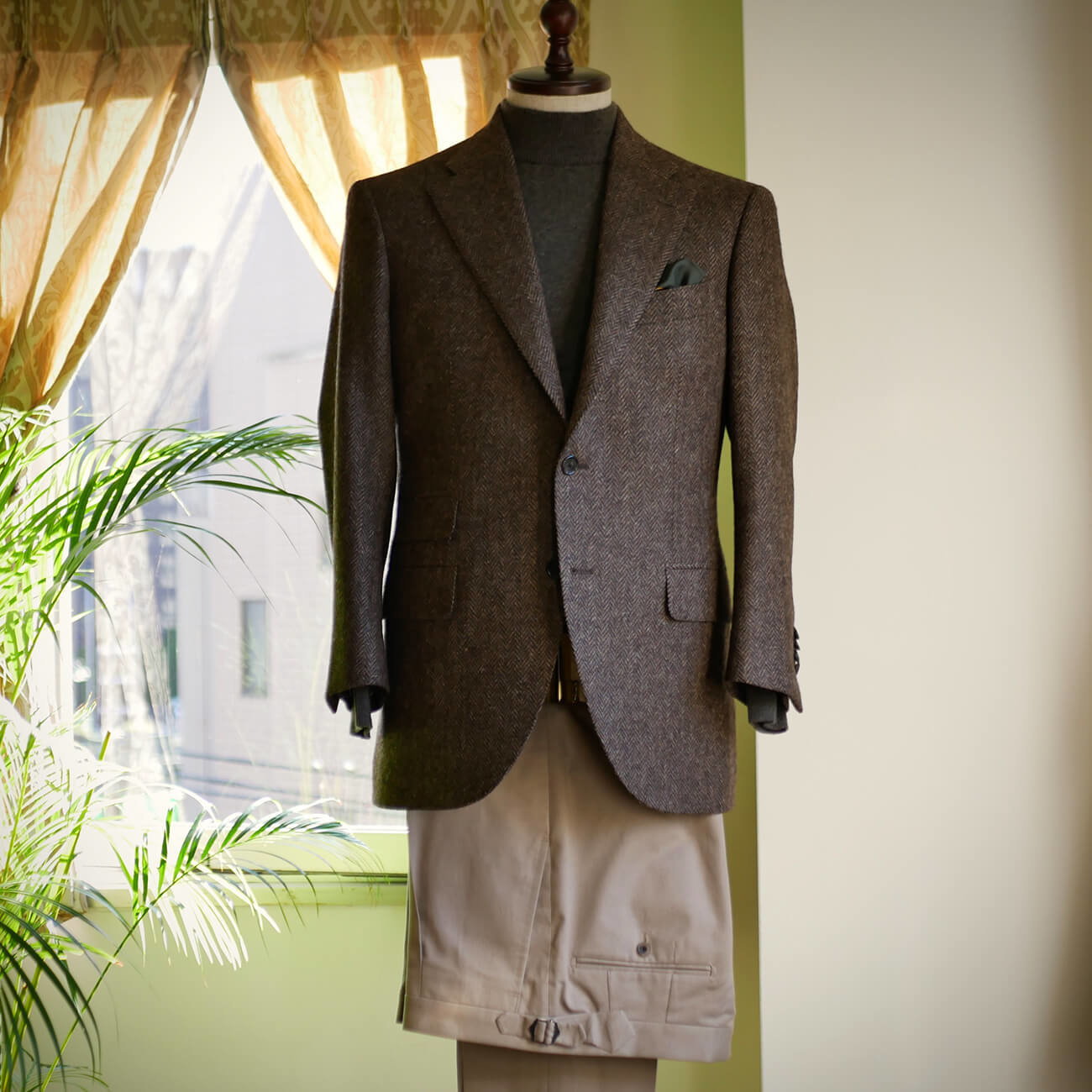
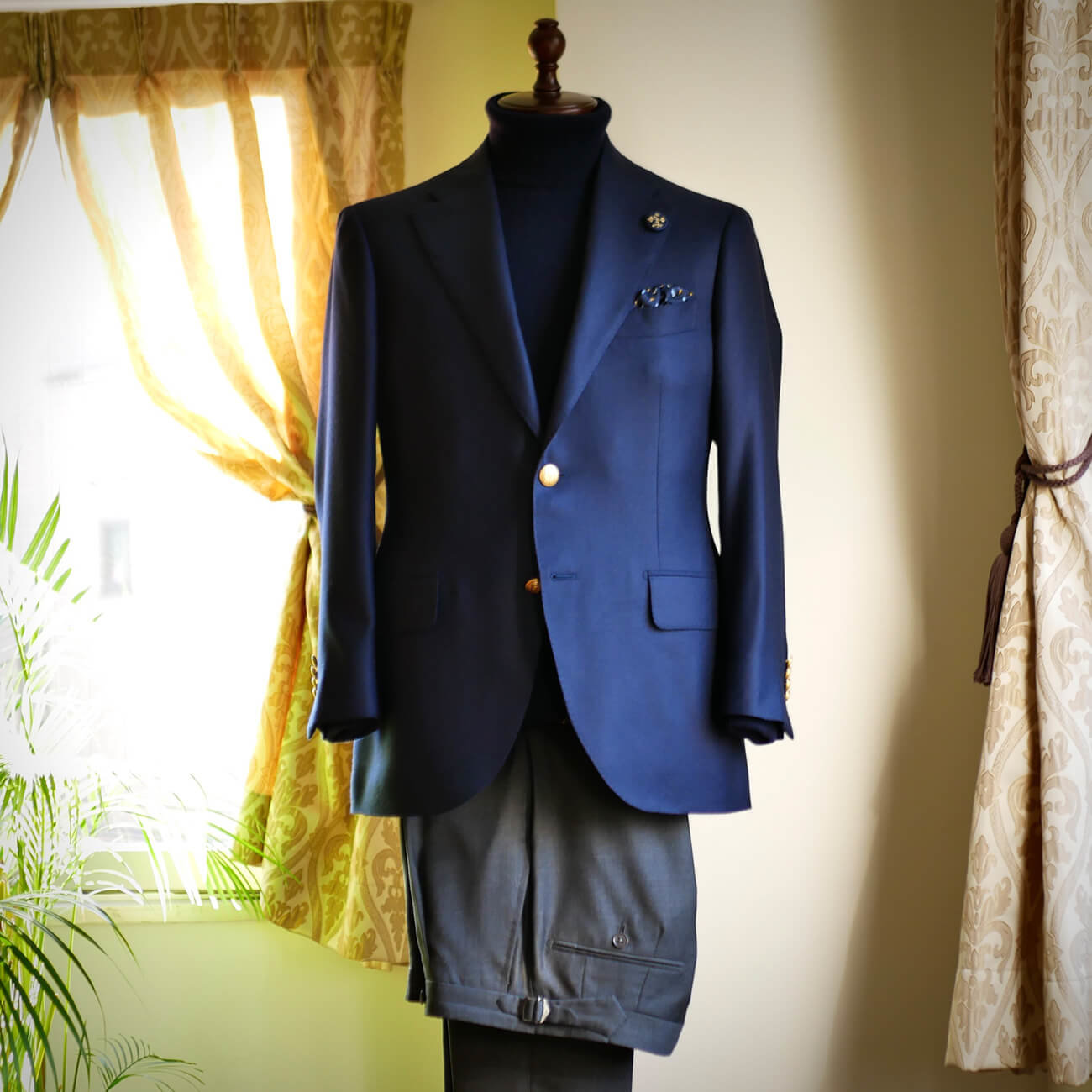
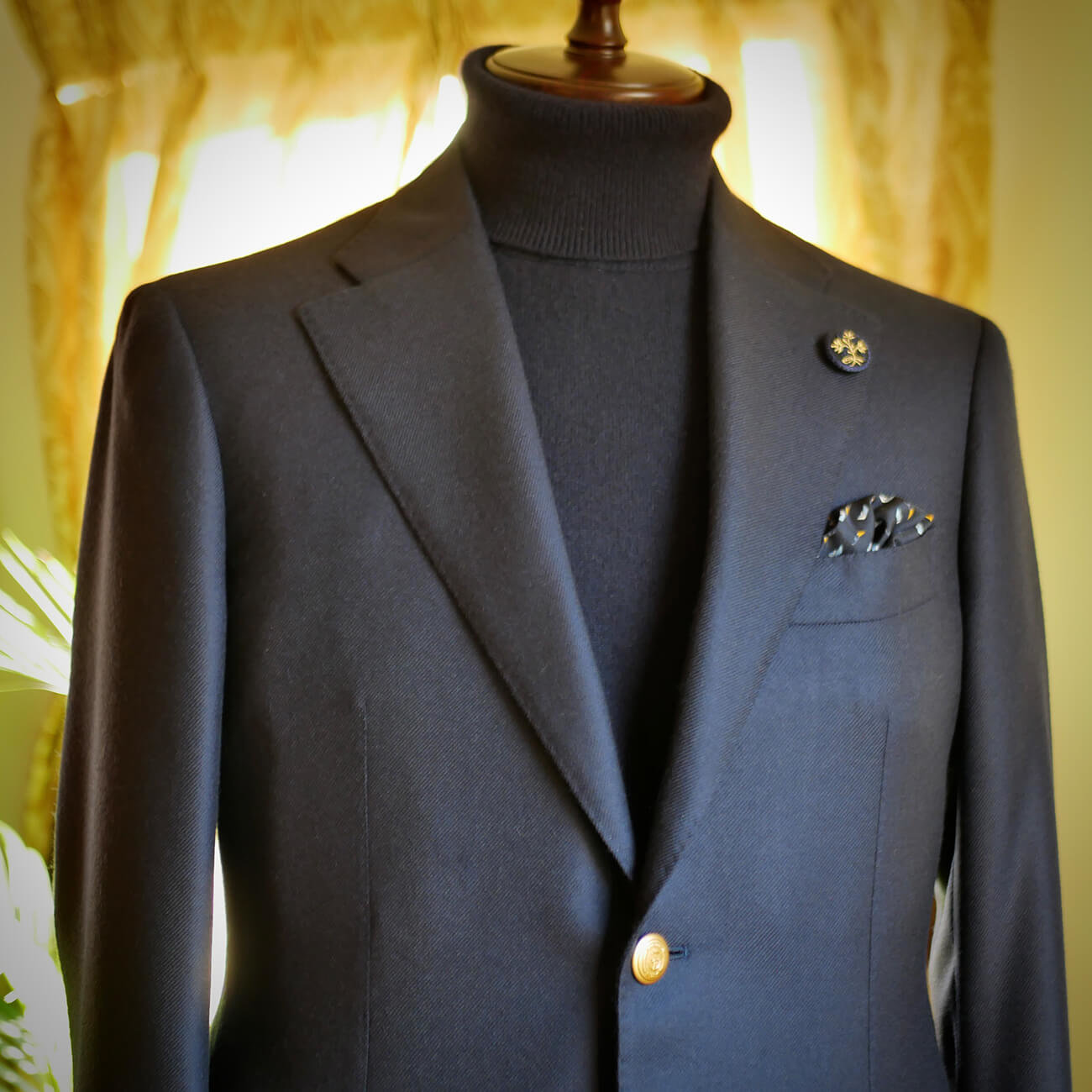
I would like to introduce the Dress Line jackets we offer at The Dressing Lab. Each jacket is made as a personal order, based on the styles we propose and carefully adjusted to suit each customer's body shape, preferences, and way of wearing. From dressy jackets to more casual jackets that can be worn comfortably in everyday life, we can create a wide range of expressions through tailoring techniques, fine details, and fabric selection.
Our house style has an Italian taste, with a constructed yet soft and lightweight feel. I believe a good jacket should give the wearer a refined and elegant impression, while still feeling soft and approachable. No matter how stylish a jacket may look, it can become stressful if it is uncomfortable to wear. That is why our jackets are not only physically light, but also tailored so that they feel light on the body. You can wear one throughout the day without feeling tired, and you may even forget that you are wearing it.
Our Dress Line jackets are tailored at one of Japan's leading tailoring factories using a Full Canvas construction. This is a traditional, high-quality method that uses horsehair canvas through the front body of the jacket, from the shoulder area down toward the hem. The process requires careful pressing, sewing, and resting at each stage, so it takes time for the jacket to be completed. However, this time and care create a beautiful three-dimensional shape and a soft, rounded finish. The form created through ironwork also settles firmly into the jacket, helping it keep its shape beautifully over time.
One of the advantages of Full Canvas construction is that it gives the jacket structure while helping it retain its form over many years. Depending on the canvas used, Full Canvas construction can sometimes feel stiff or heavy compared with fused or half-canvas construction. For this reason, we carefully select canvas materials that are as light, soft, and resilient as possible. This allows us to keep the distinctive three-dimensional character of Full Canvas construction, while creating a jacket that feels soft and light, without making the canvas feel noticeable.
The main difference between our Sports Line jackets and Dress Line jackets lies in the construction. Our Sports Line jackets are more relaxed, with minimal canvas and lining, while the Dress Line uses Full Canvas construction to create a more structured and refined appearance. If you mainly wear jackets in business settings, or if you prefer a sharper and more elegant impression, I highly recommend our Dress Line jackets.
"Natural Shoulder" and "Rolled Lapel"
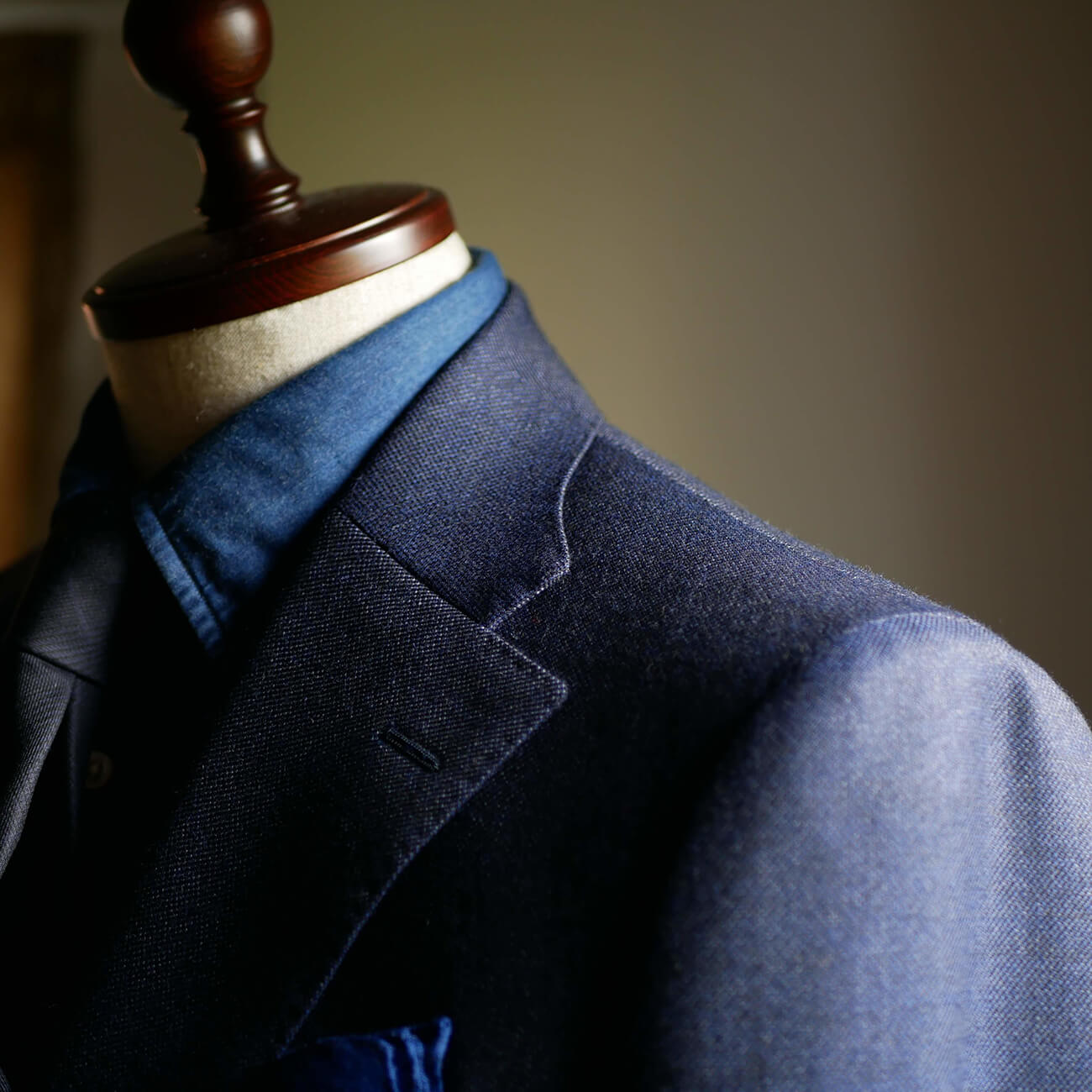
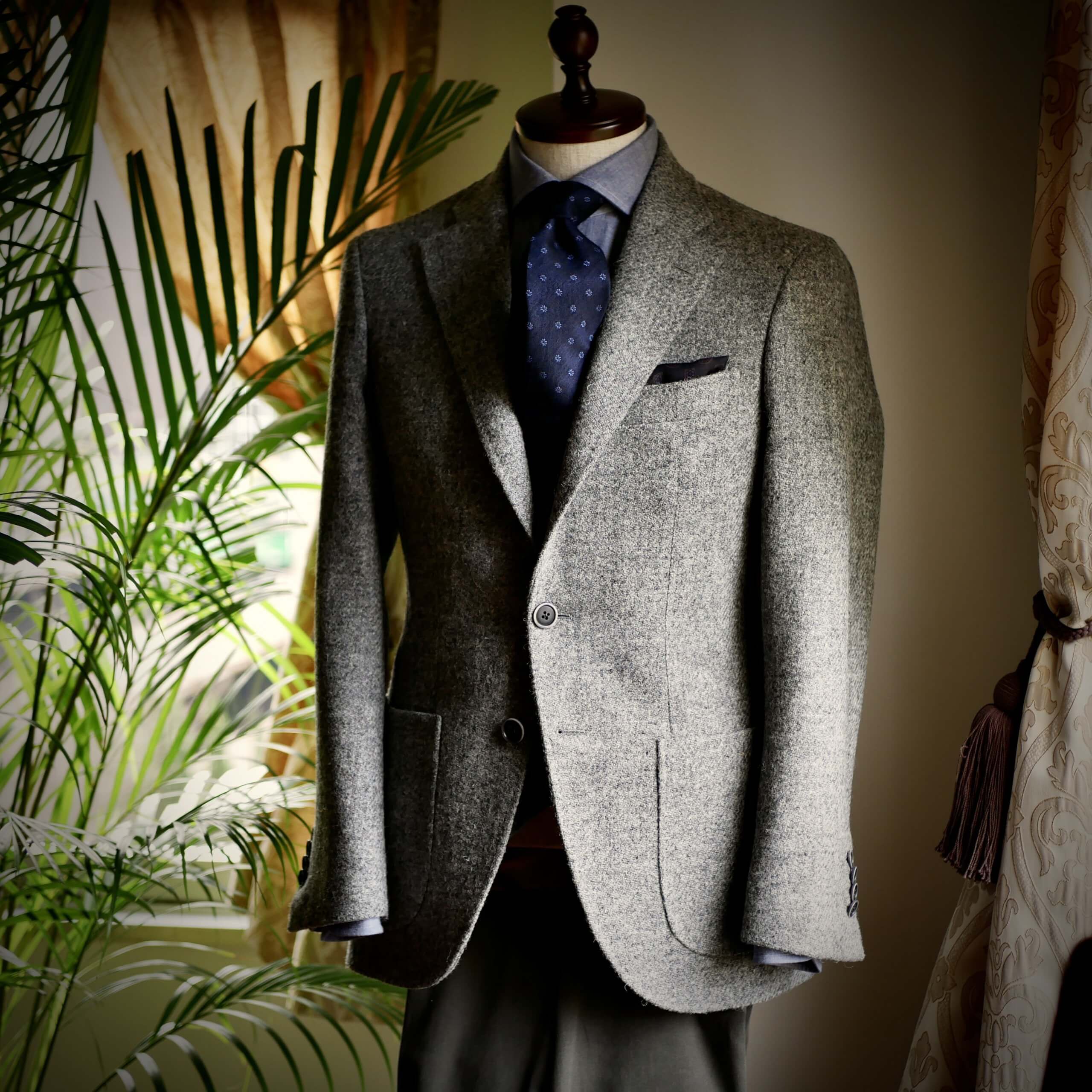
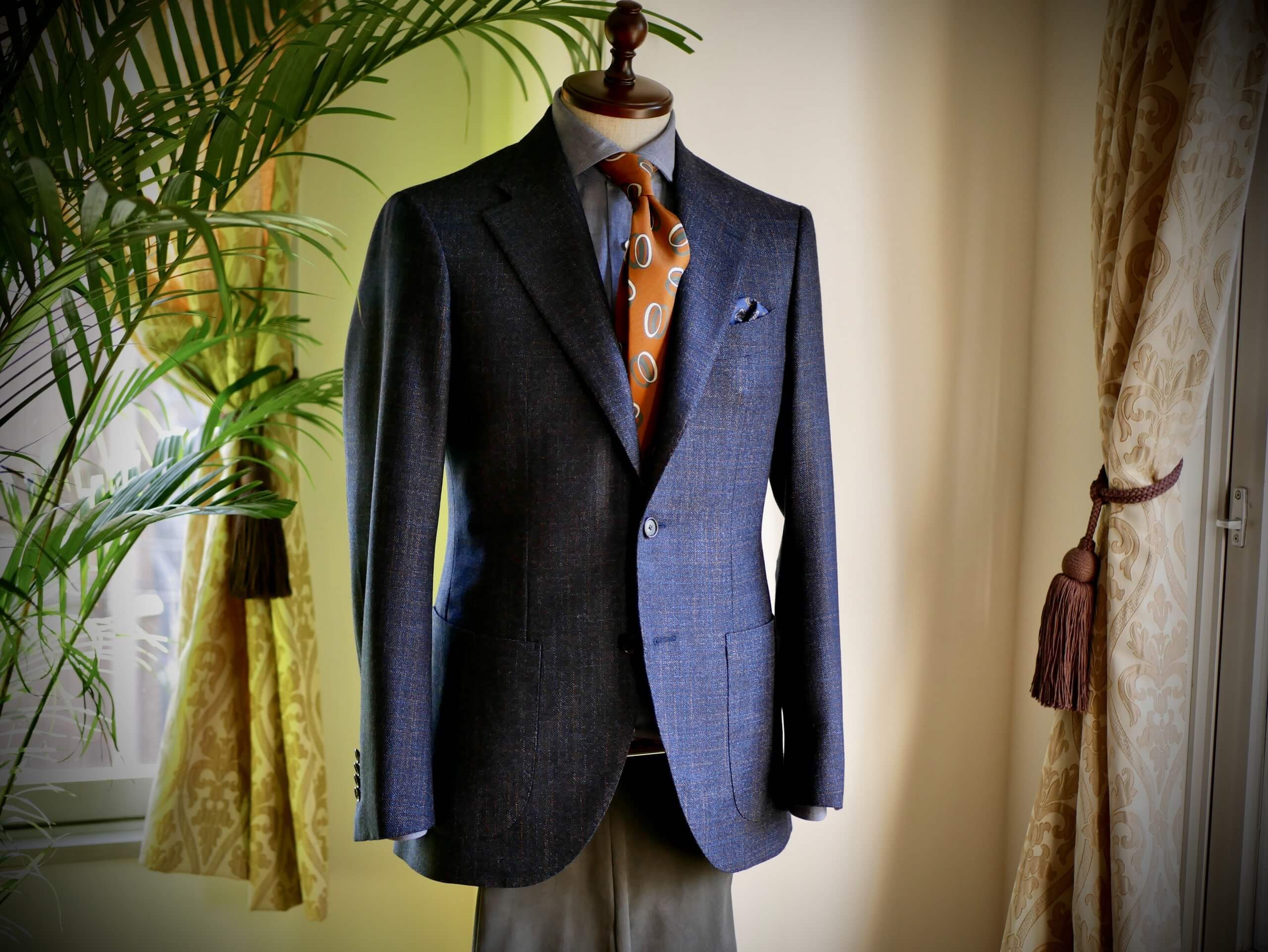
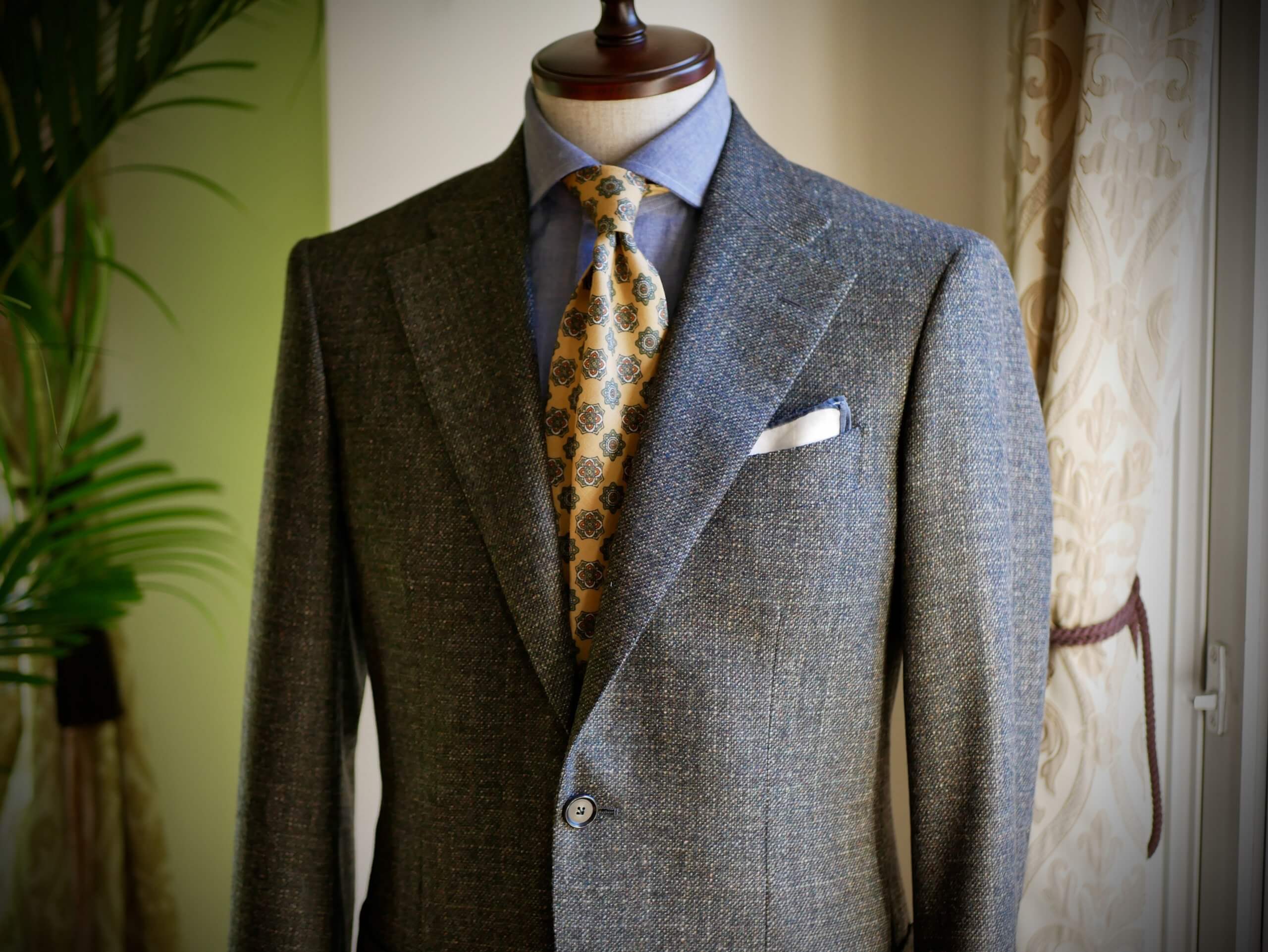
The shoulder line is finished naturally and softly, using canvas without shoulder pads. It is not overly sloped, so it achieves a good balance between lightness and sharpness. Shoulder pads can also feel warmer than expected, especially in hot weather. By tailoring the shoulder mainly with canvas, the jacket feels lighter, more breathable, and more comfortable to wear. Jackets are also often worn with casual inner layers such as crew-neck T-shirts, and the soft shoulder line without pads makes this kind of styling easier to enjoy.
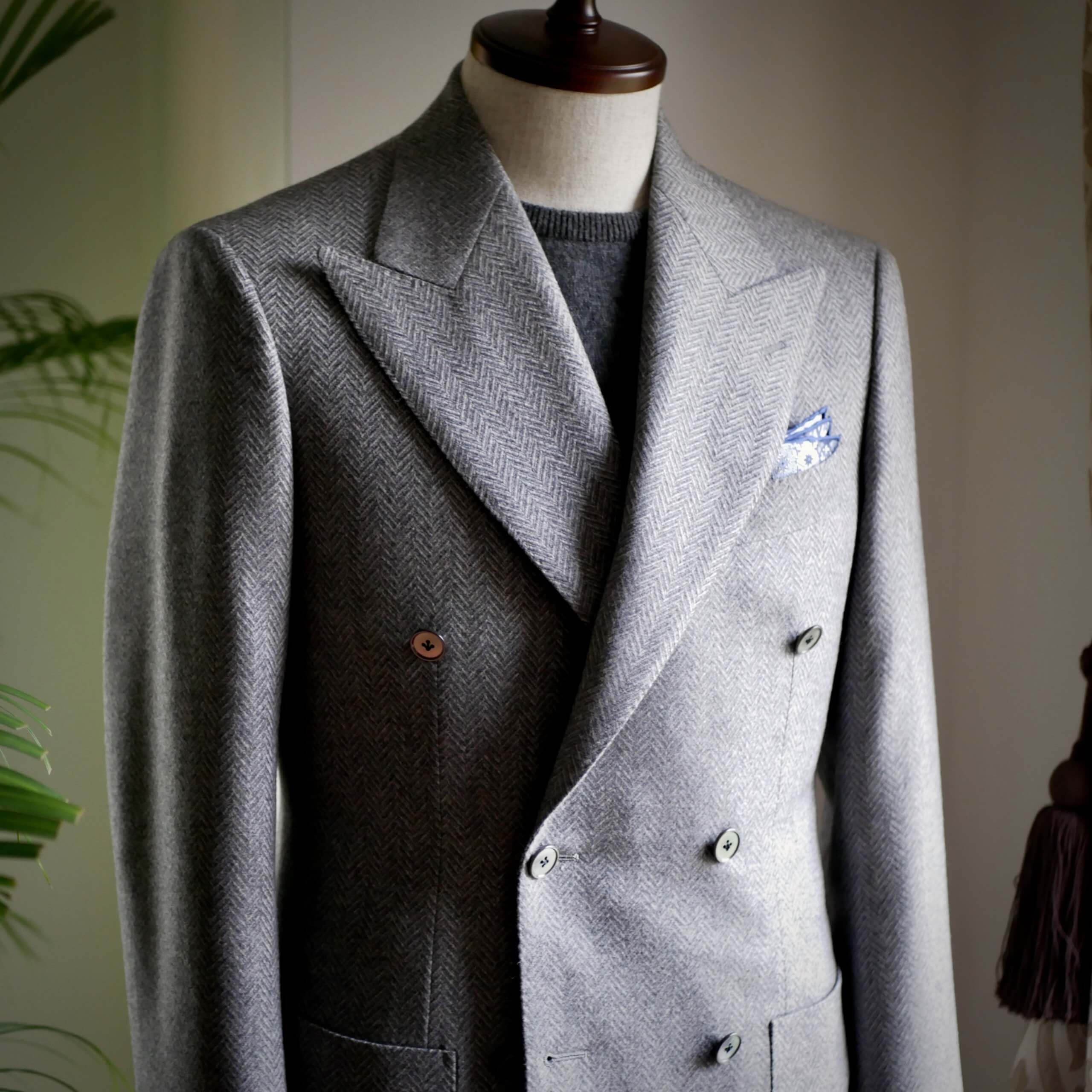
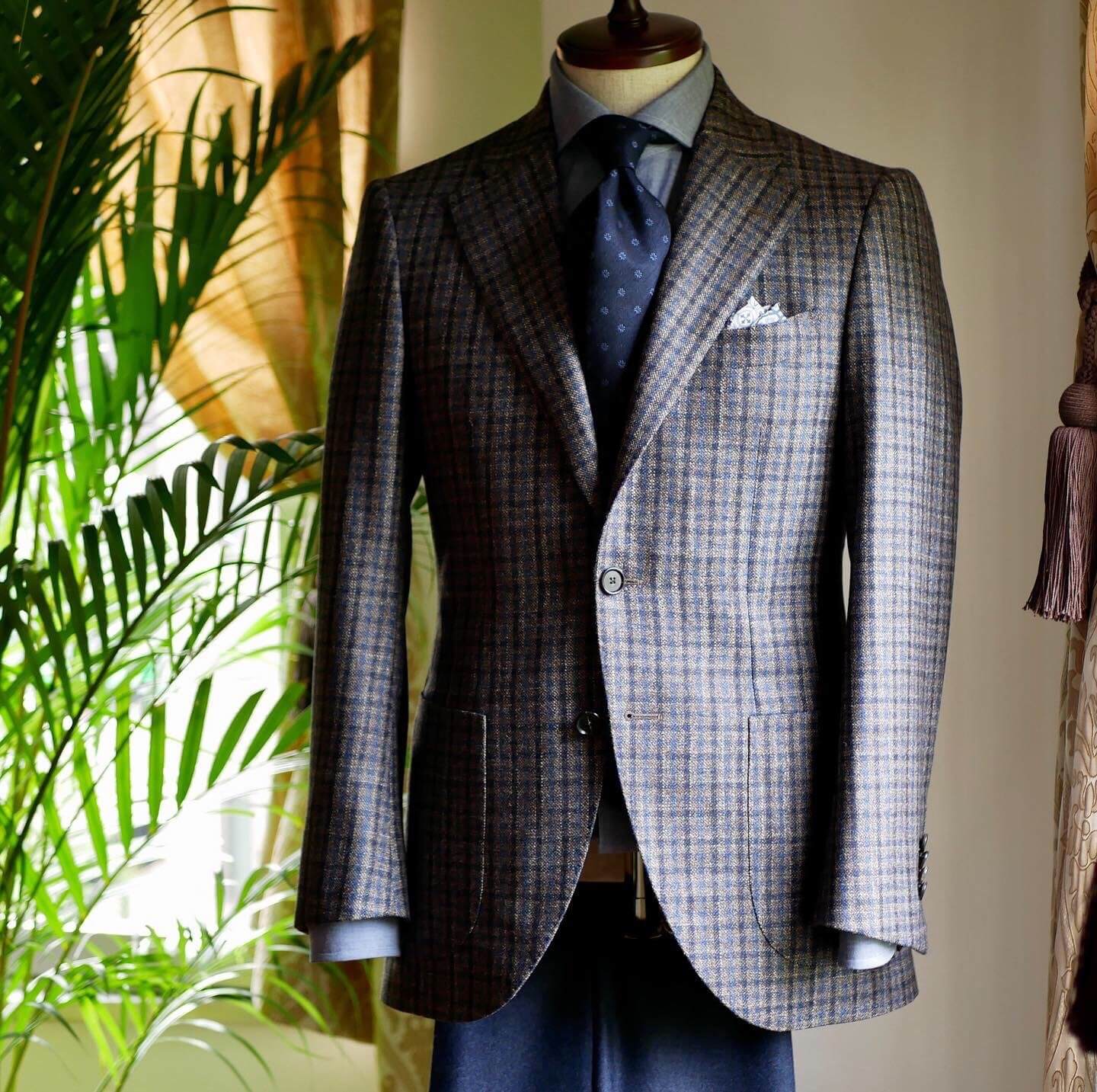
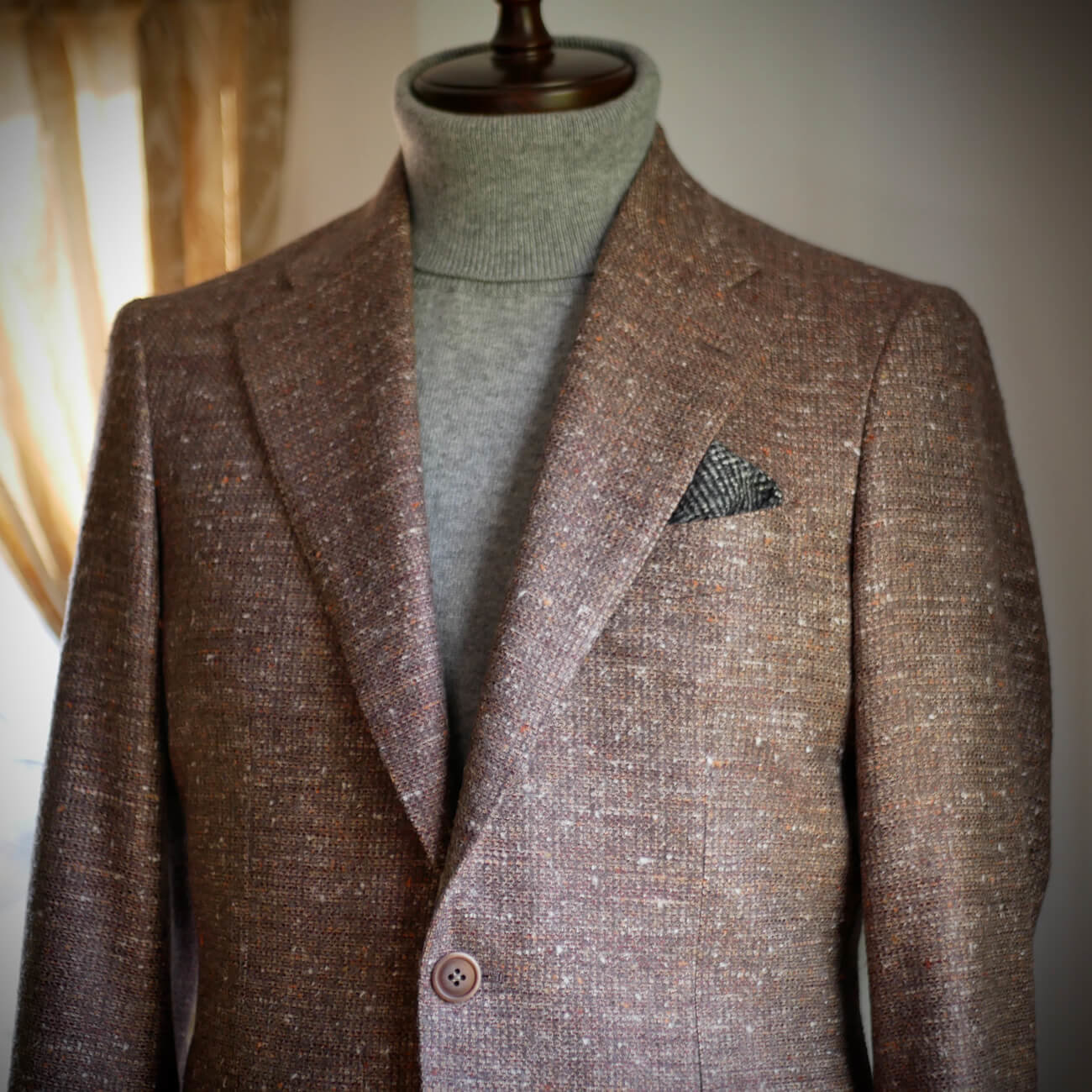
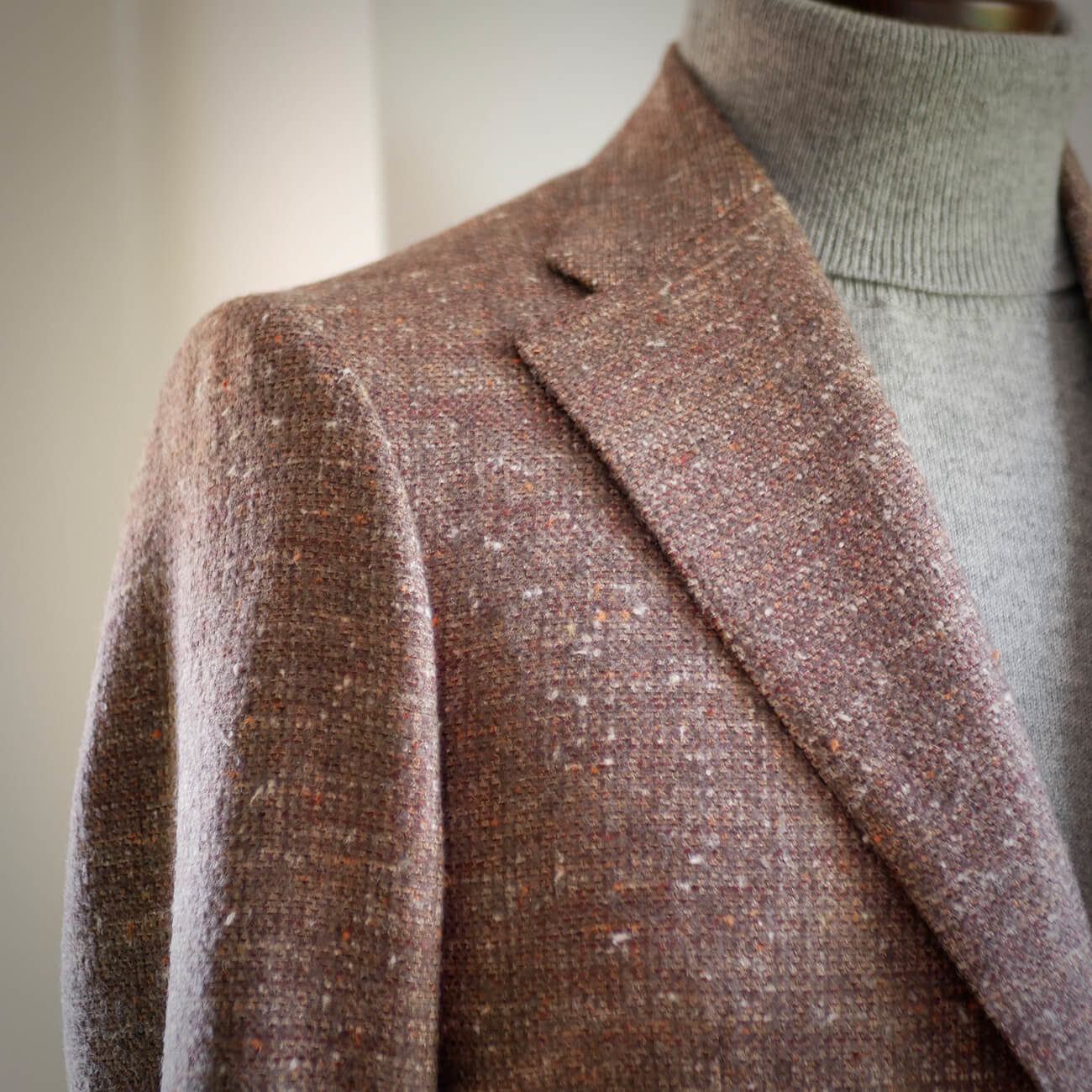
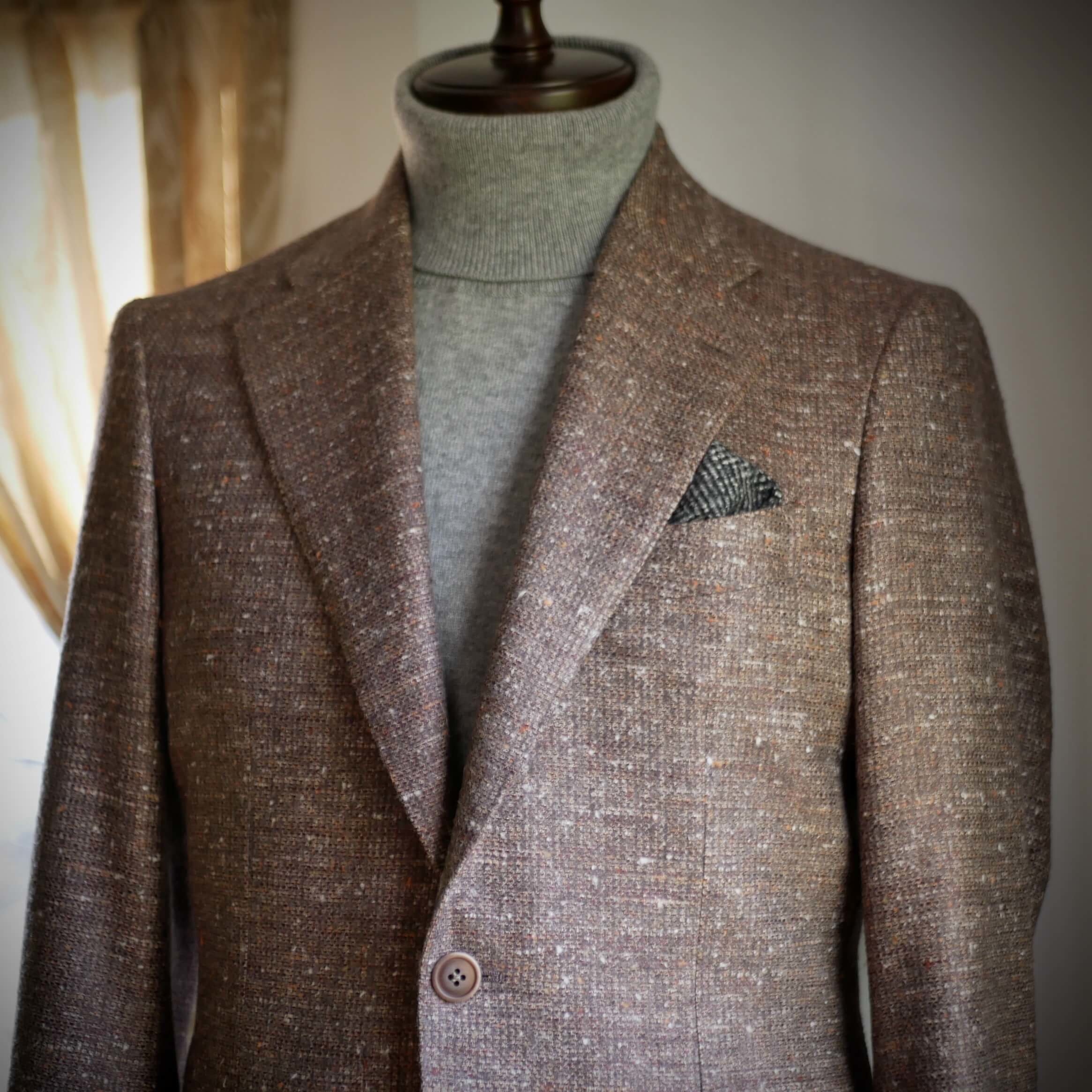
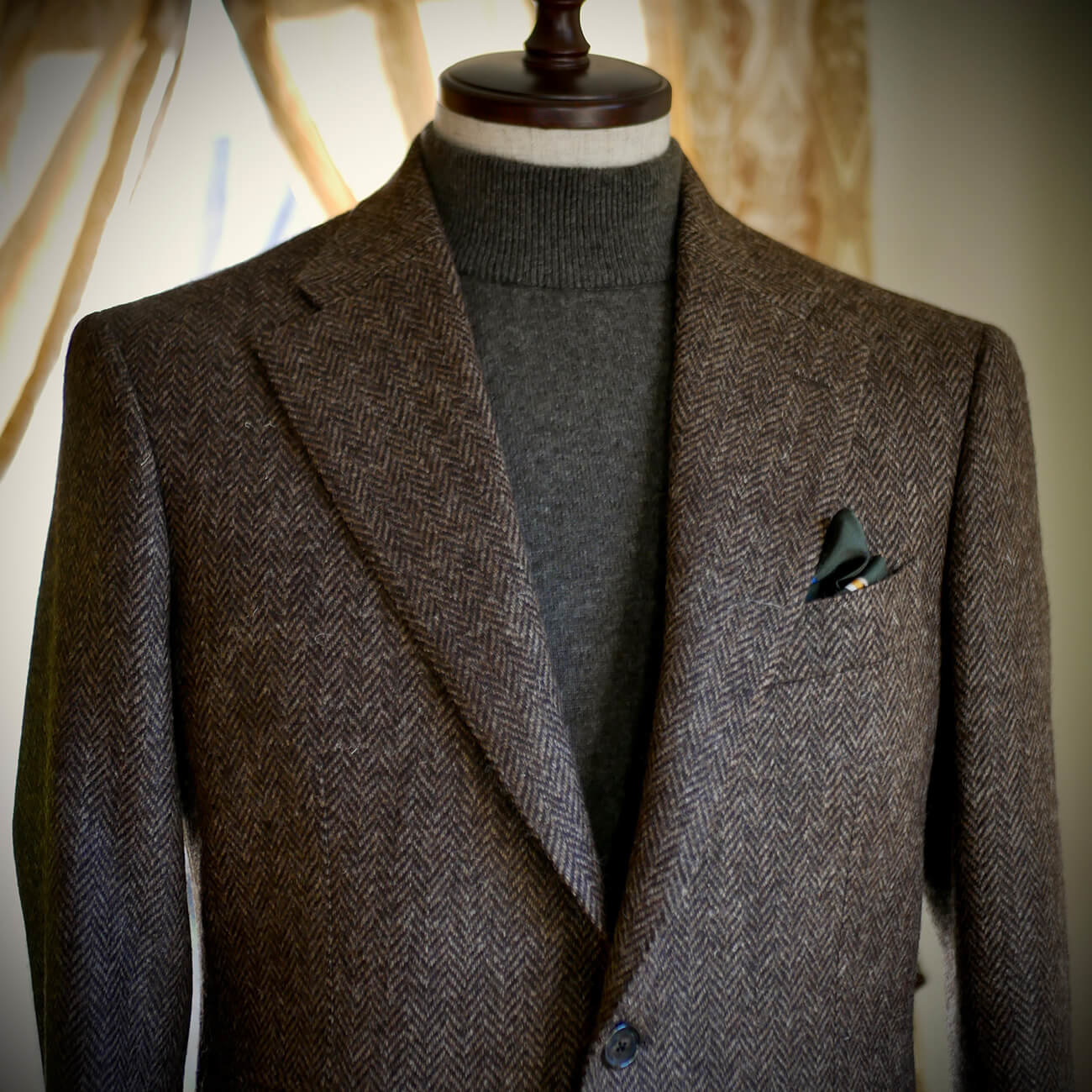
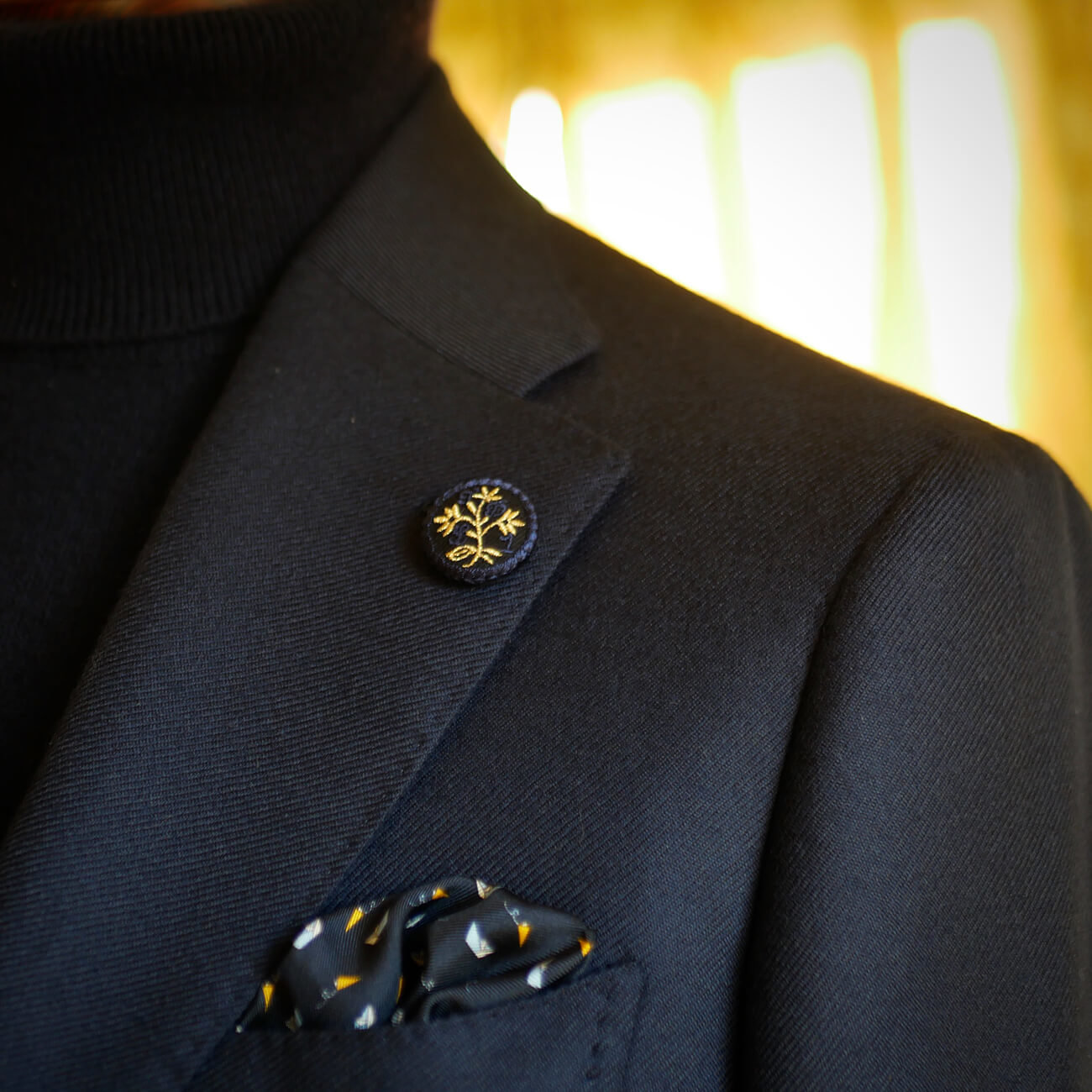
Please also take a look at the beautiful roll of the lapel. From the natural shoulder line, the lapel rises with a soft yet strong expression and sits closely around the neck. This gives the jacket an elegant appearance, while also improving the fit from the neck to the shoulders. This is achieved through a tailoring technique known as the rolled lapel. In tailoring, the expression for shaping fabric with an iron may sound a little unusual, but it simply refers to carefully manipulating the fabric through ironwork. The rolled lapel is not made by cutting the fabric into a curved shape from the beginning. Instead, a straight piece of fabric is shaped into a curved lapel through careful pressing. This creates a three-dimensional lapel with resilience and greatly improves the fit.
The structure of our lapels can be especially helpful for customers who are concerned about collar gap. Collar gap is the issue where the jacket collar or lapel does not sit close to the neck. It is not only caused by the quality of tailoring, but also by the wearer's body shape, such as a prominent chest or a rounded back. By combining the rolled lapel with body shape adjustments, we can help reduce this concern. When the jacket sits properly on the shoulders and neck and the weight is distributed naturally, it feels lighter than its actual weight. This light feel and ease of movement help reduce fatigue, even after wearing the jacket for a full day. If you have ever felt that a jacket makes your shoulders stiff, or that even an expensive jacket does not fit well, I would be happy for you to try a custom jacket from The Dressing Lab. I believe it can change the way you feel about wearing jackets.
Sleeve Attachment and Armholes
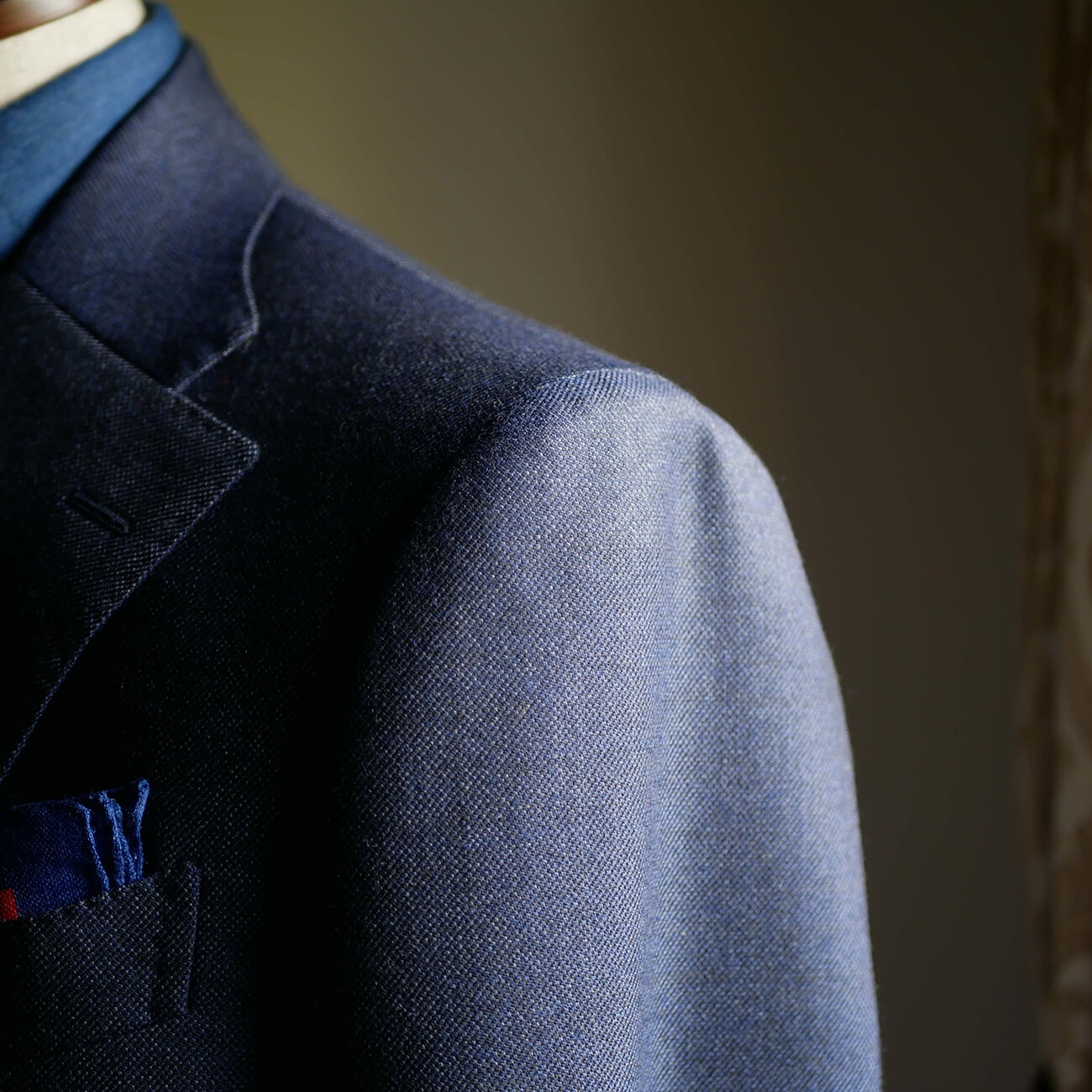
Let me talk about the sleeve attachment. At the sleeve head, which is the highest part where the sleeve is attached, we select materials that are thin and soft. This helps the sleeve flow naturally from the shoulder line and fall beautifully. It is a subtle detail, but it contributes to both a lighter feel and a lighter appearance.
Although the jacket looks clean and sleek, the shoulders and sleeves include carefully placed ease for movement. This hidden allowance is created mainly around the shoulder area through pressing, allowing the jacket to follow the body more naturally. Together with the carefully shaped front shoulder area, this creates a close fit without a constricted feeling. The armholes are shaped in a slightly curved, bean-like form and kept as compact as necessary, allowing both freedom of movement and a clean fit. If you have ever felt that the collar rises when sitting at a computer, or that the jacket lifts too much when you raise your arm, the armhole may not be fitting properly. Many ready-made jackets have large armholes so they can fit a wider range of people, and while they may feel easy to put on at first, they often reduce ease of movement. Armholes that are too small can also cause stress under the arms, so the right balance is very important. This adjustment, known in tailoring as kamabuka, is one of the benefits of high-level made-to-order tailoring. I highly recommend experiencing a jacket with well-fitted armholes, as the comfort and ease of movement can be quite surprising.
Patch Pockets
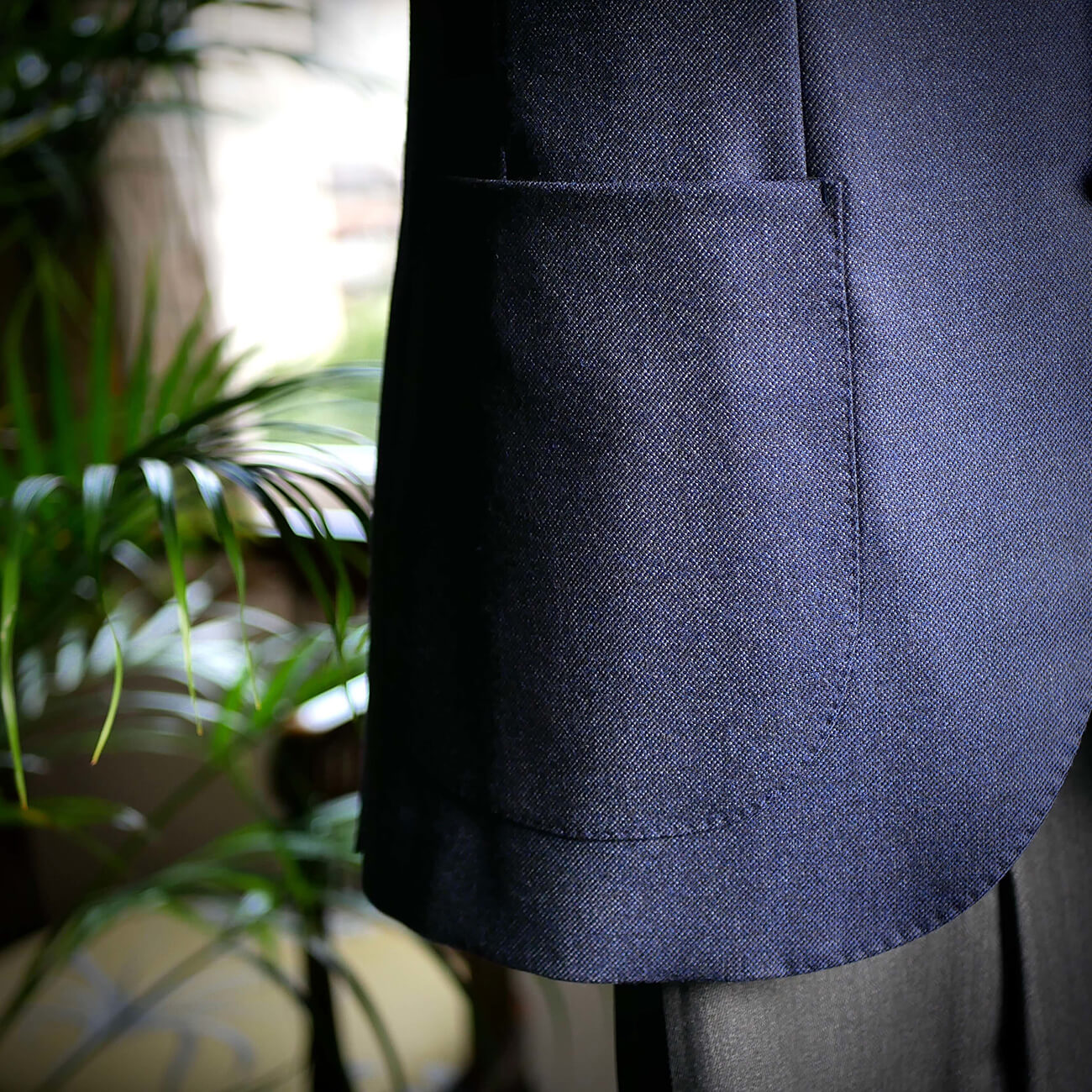
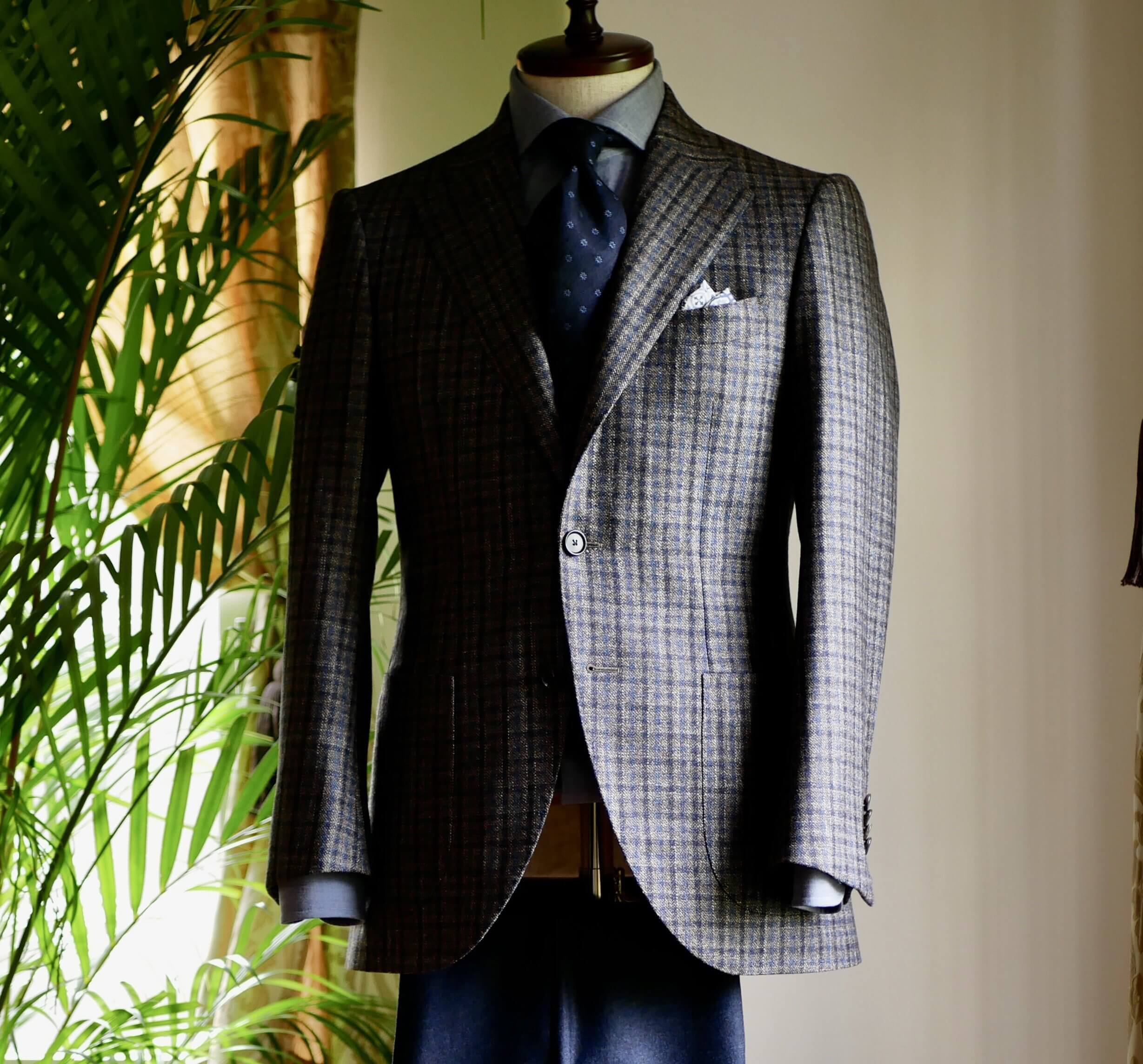
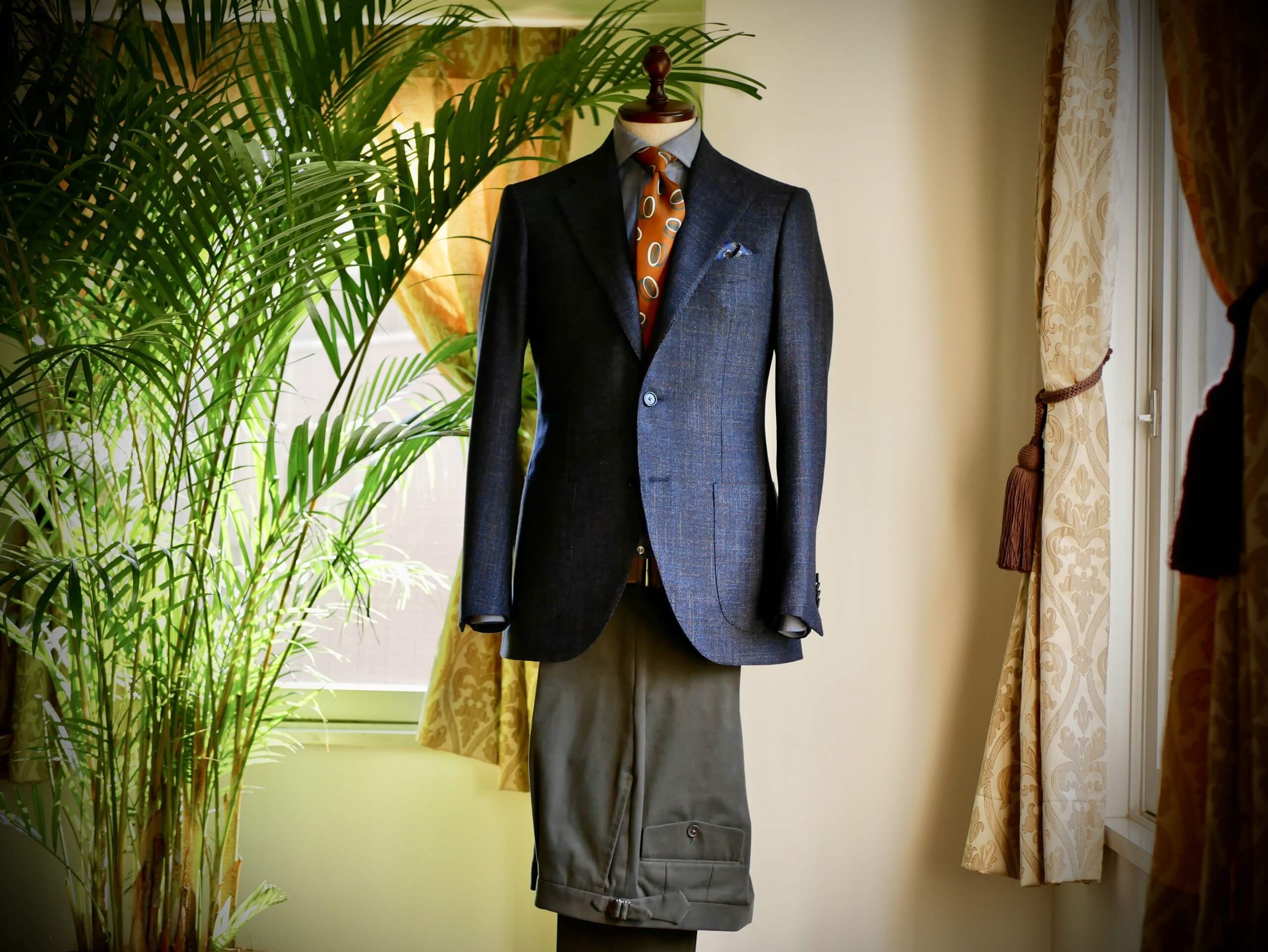
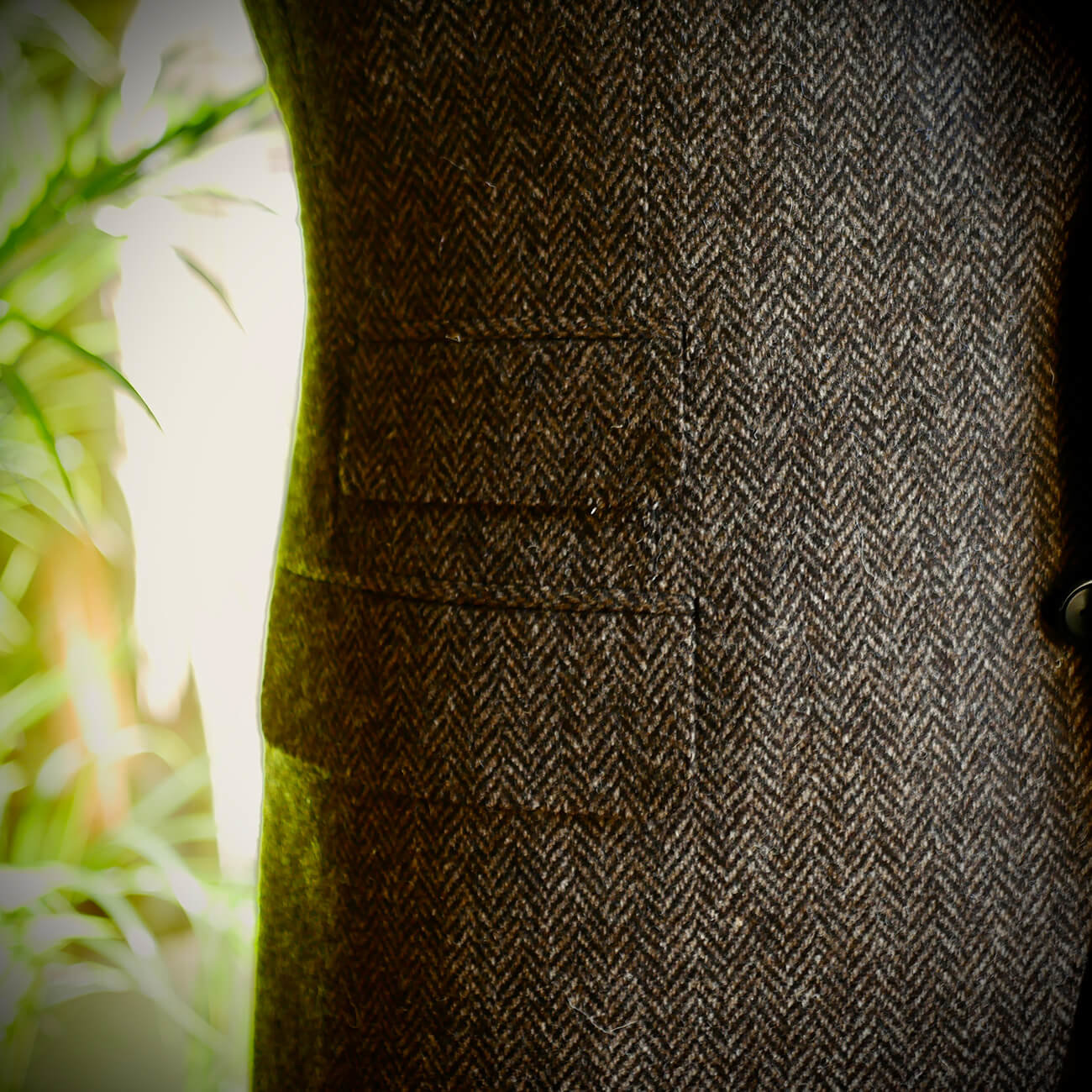
One of the classic waist pocket styles for a jacket is the patch pocket. It is sometimes called an out-pocket, but the term patch pocket is more commonly used internationally. As the name suggests, a patch pocket is attached to the outside of the jacket. Jackets can also be made with double besom pockets, similar to suit jackets, and suit jackets can sometimes have patch pockets as well. However, jackets are often made with patch pockets because they give a more casual and sporty impression.
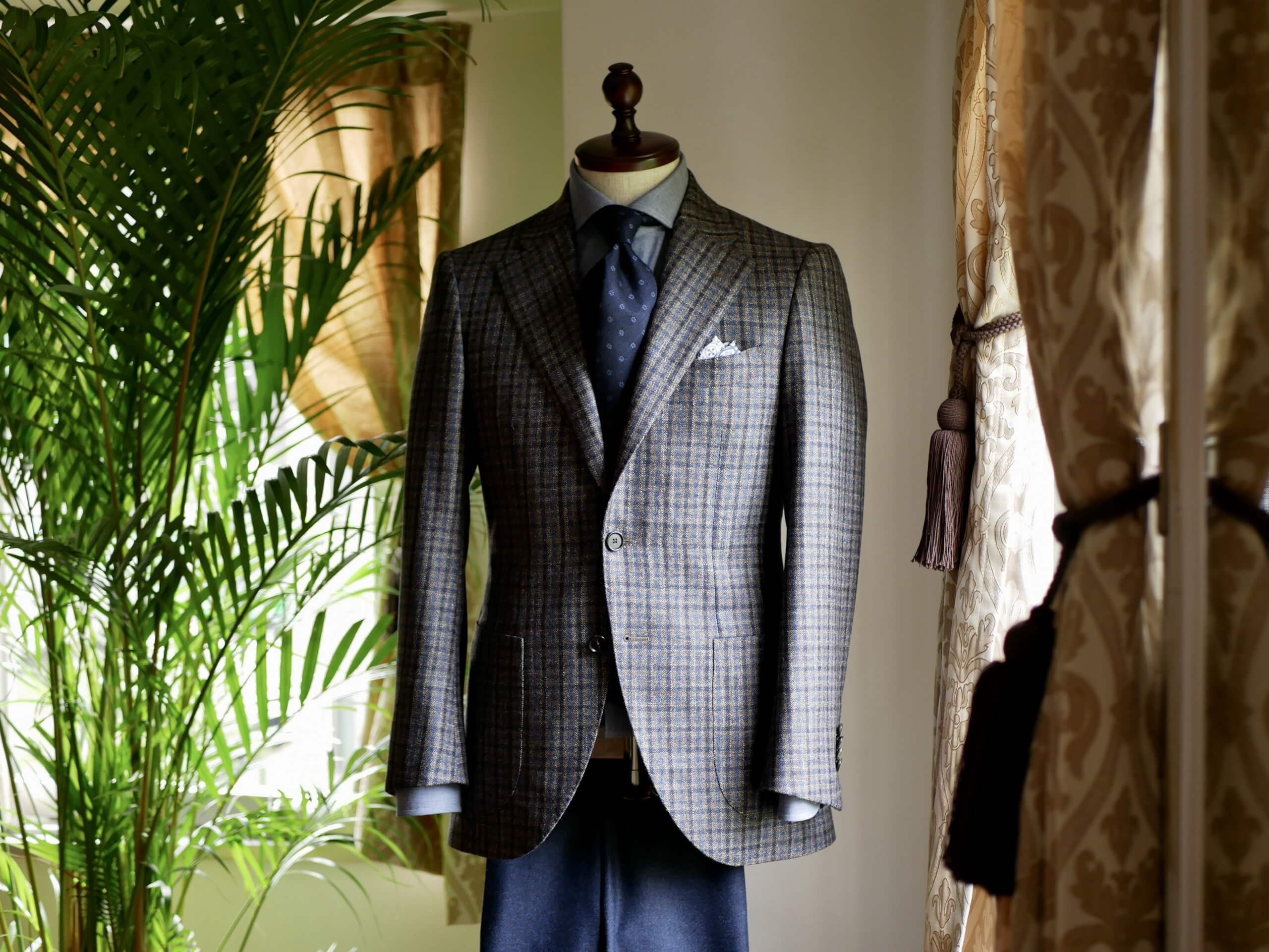
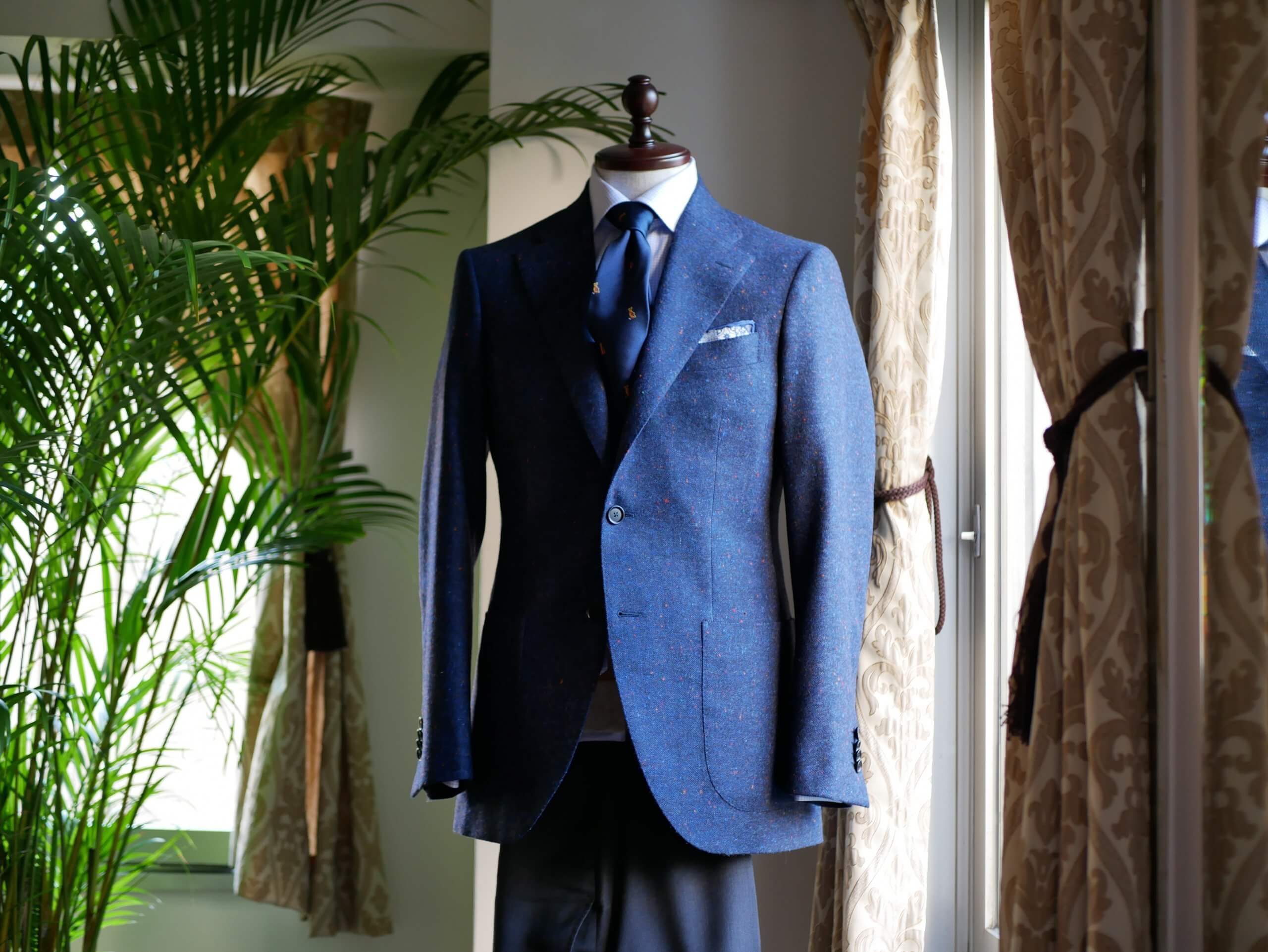
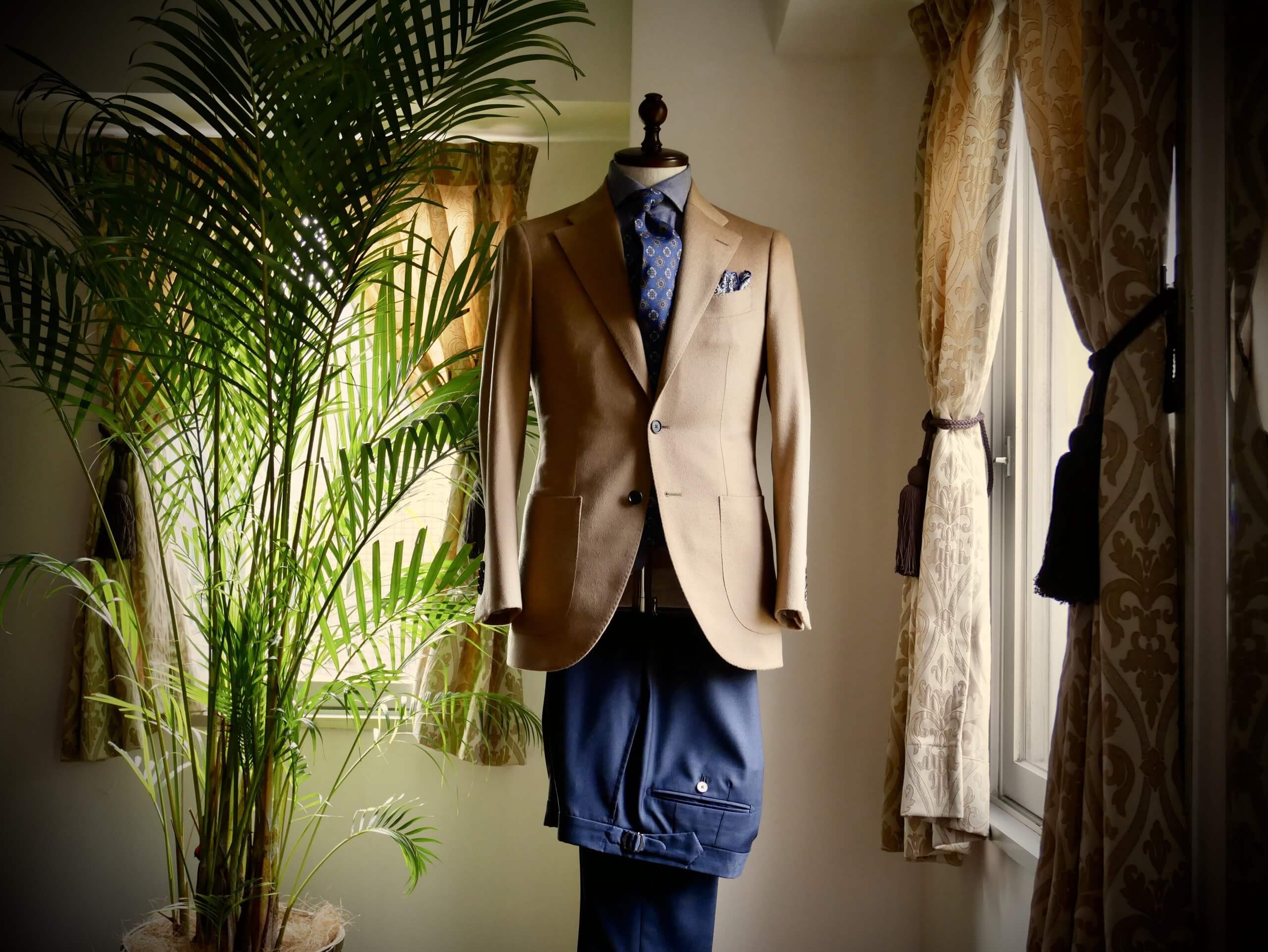
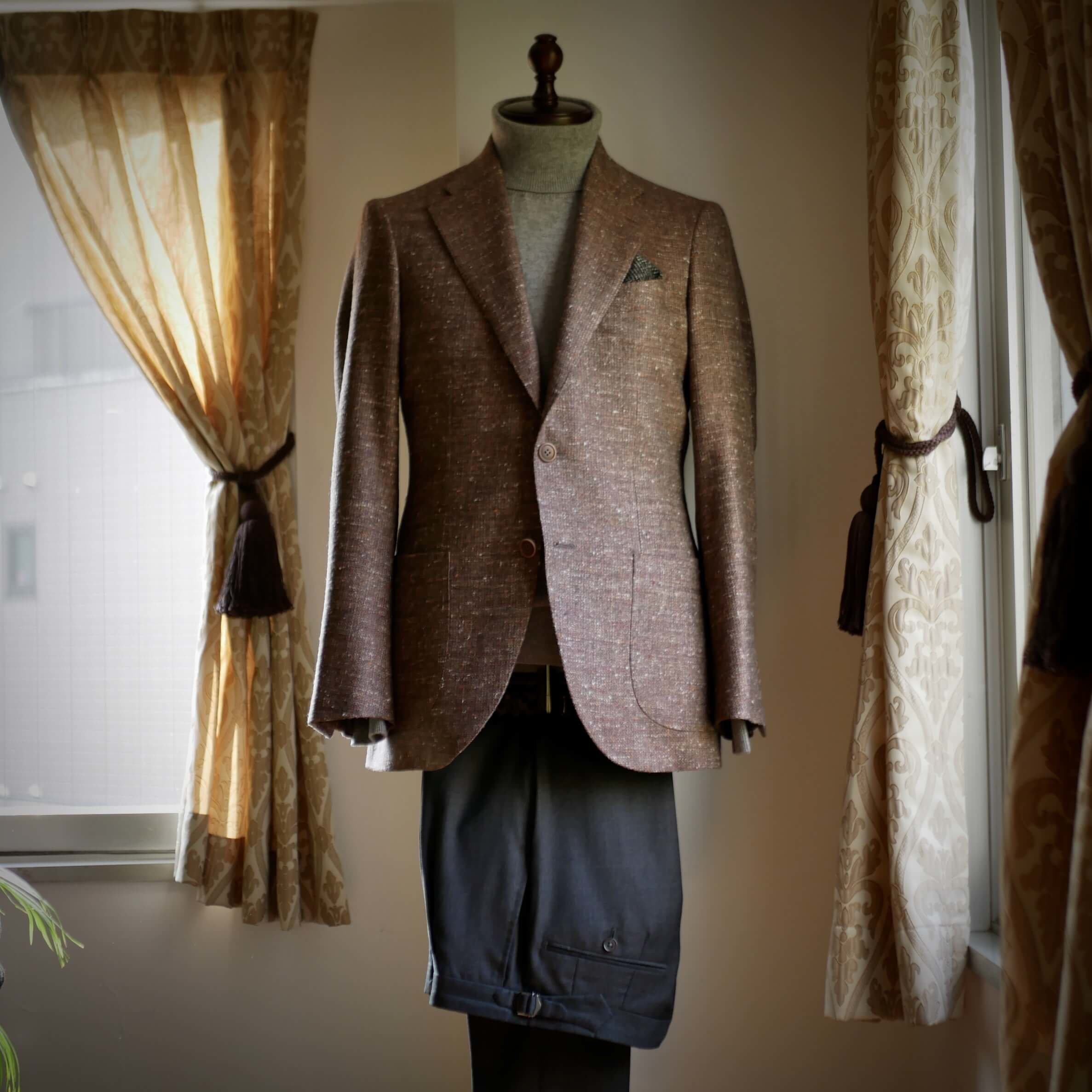
Patch pockets may be familiar to many people, but the patch pockets at The Dressing Lab have their own character. The first point is how well the pocket follows the curve of the waist. Since the pocket is attached on the outside of the jacket, it needs just the right amount of ease around the outer edge of the pocket opening, without leaving excess fabric. We also pay close attention to the line of the pocket opening. In photos, it may look straight, but the opening is actually shaped with a very subtle curve. This is done so that when the pocket is attached to the curved waist of the jacket, it appears straight. The pocket opening is also about 1.5 cm narrower than the widest part of the pocket. You might imagine it like a cone shape. This is another small detail that helps the pocket settle beautifully into the overall balance of the jacket.
I personally love patch pockets. They are ideal for creating a soft, relaxed, and unpretentious atmosphere. As a general rule, jacket waist pockets are not meant to be used heavily, but with patch pockets, there is a certain charm in casually slipping your hands into them and wearing the jacket in a relaxed way. This easygoing feeling is one of the many attractions of patch pockets.
Barchetta Pocket
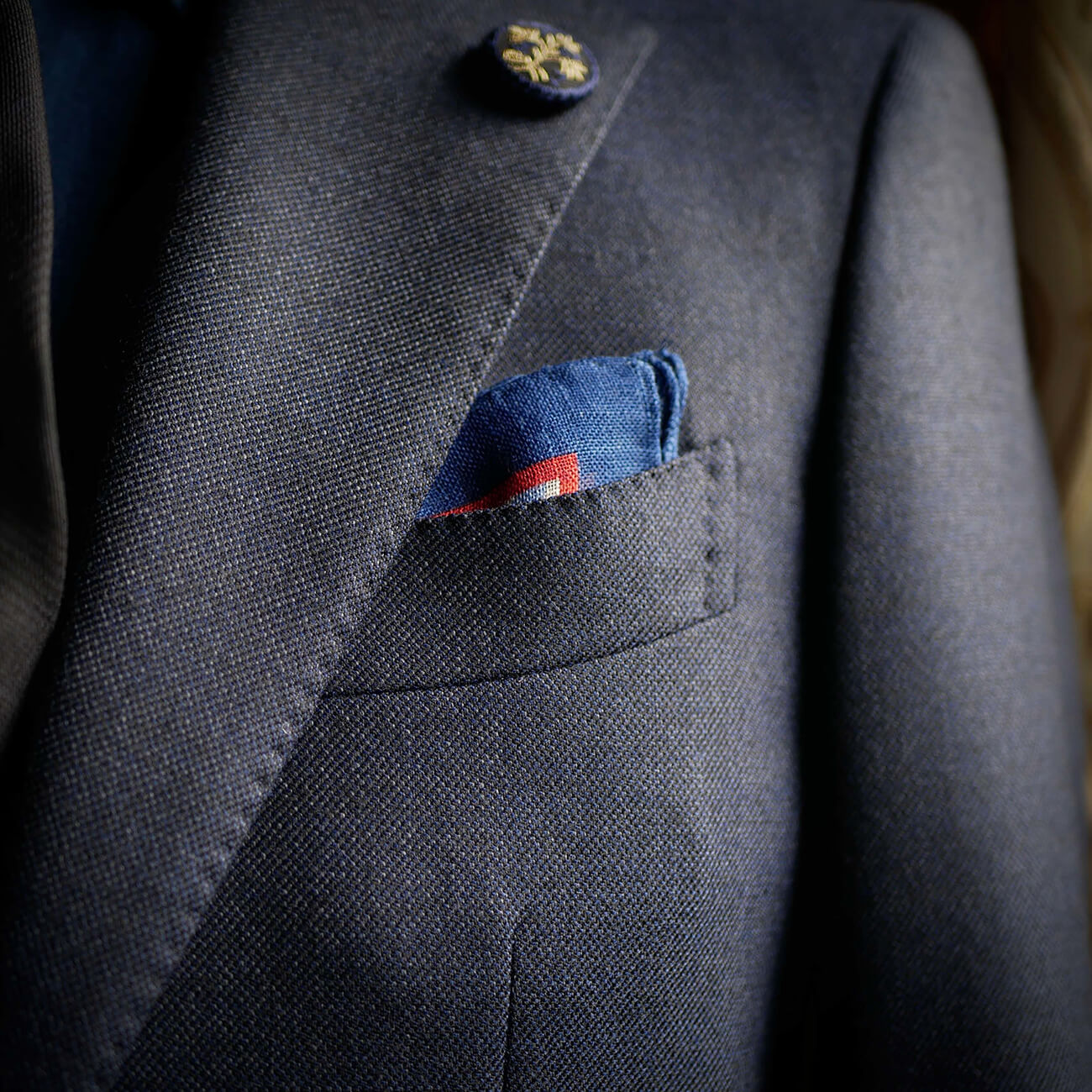
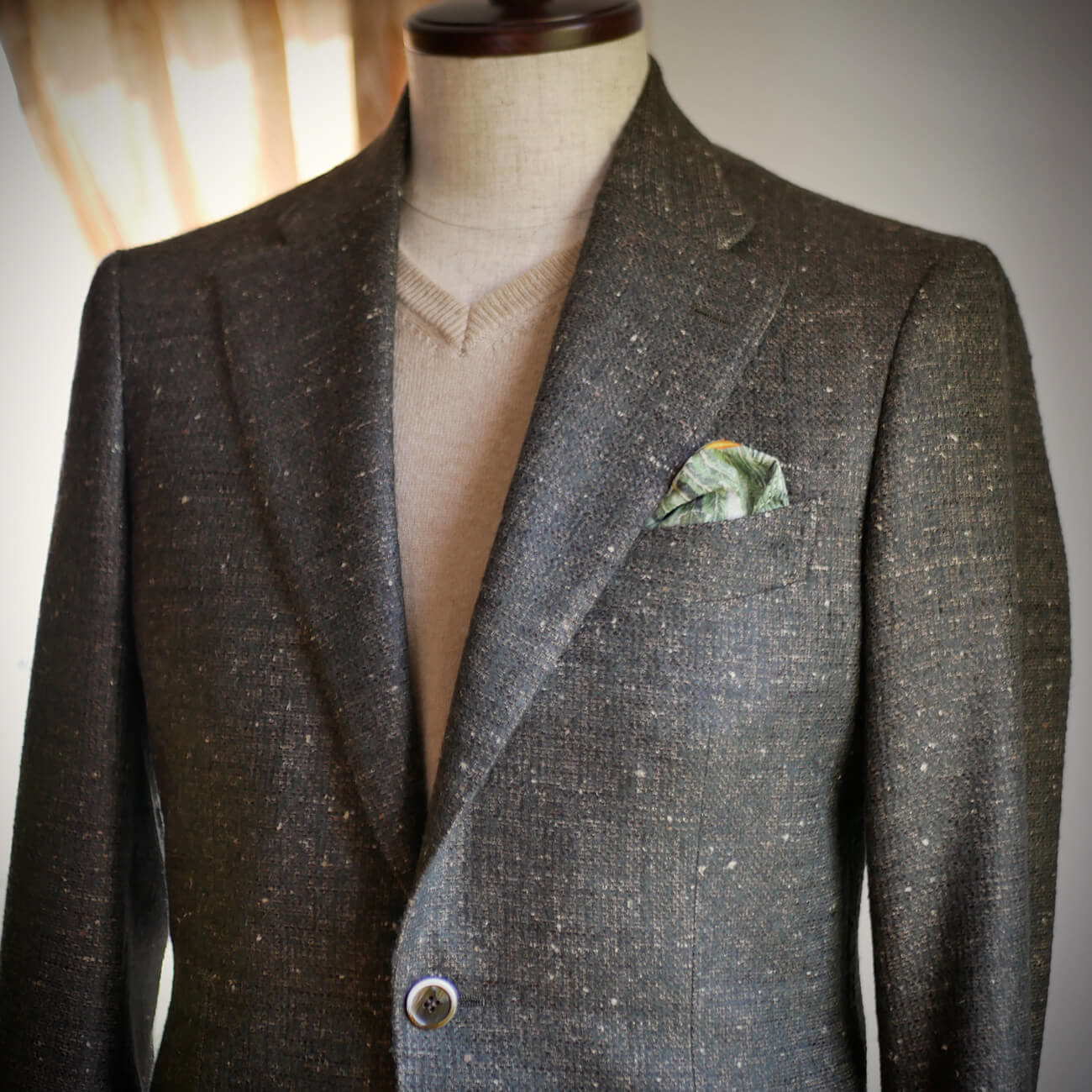
Let me also introduce the breast pocket. The standard breast pocket for our custom jackets is the Barchetta pocket, the same as with our custom suits. "Barchetta" means "small boat" in Italian. Unlike a straight breast pocket, known as a welt pocket, the Barchetta pocket has a gentle curve, with one end rising slightly like the bow of a boat. Carefully made by skilled craftsmen, the lower edge forms a beautiful curve that follows the three-dimensional shape of the chest. This detail not only shows fine tailoring, but also gives the jacket a graceful and elegant expression. For custom jackets, and for some custom suit jackets, the breast pocket can also be changed to a patch pocket for an even sportier impression. When both the waist pockets and the breast pocket are patch pockets, the jacket is called a "3 Patch" jacket.
Pitch & Tapered Sleeves
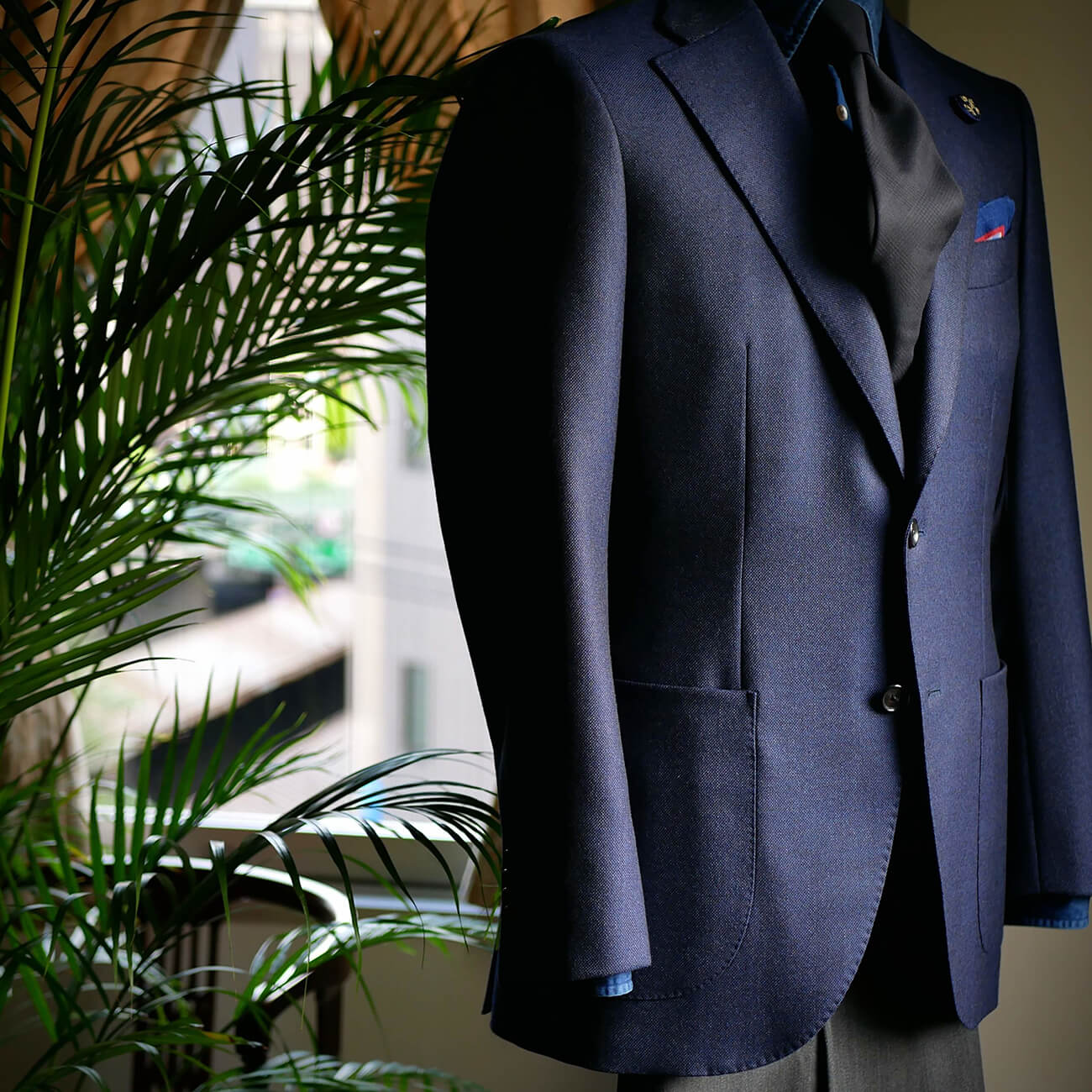
Let me talk about the sleeves. When the arm is relaxed and hanging naturally, it does not usually fall straight down at the side of the body. In many cases, the arm curves slightly forward, with the palm positioned a little toward the front of the thigh. To follow this natural arm position, the sleeves of our jackets are tailored with a forward pitch. This allows greater ease of movement toward the front and helps the sleeve fall beautifully when the arm is at rest. Since each customer has a different arm shape and posture, we check the direction and thickness of the arms during fitting and adjust the sleeves accordingly.
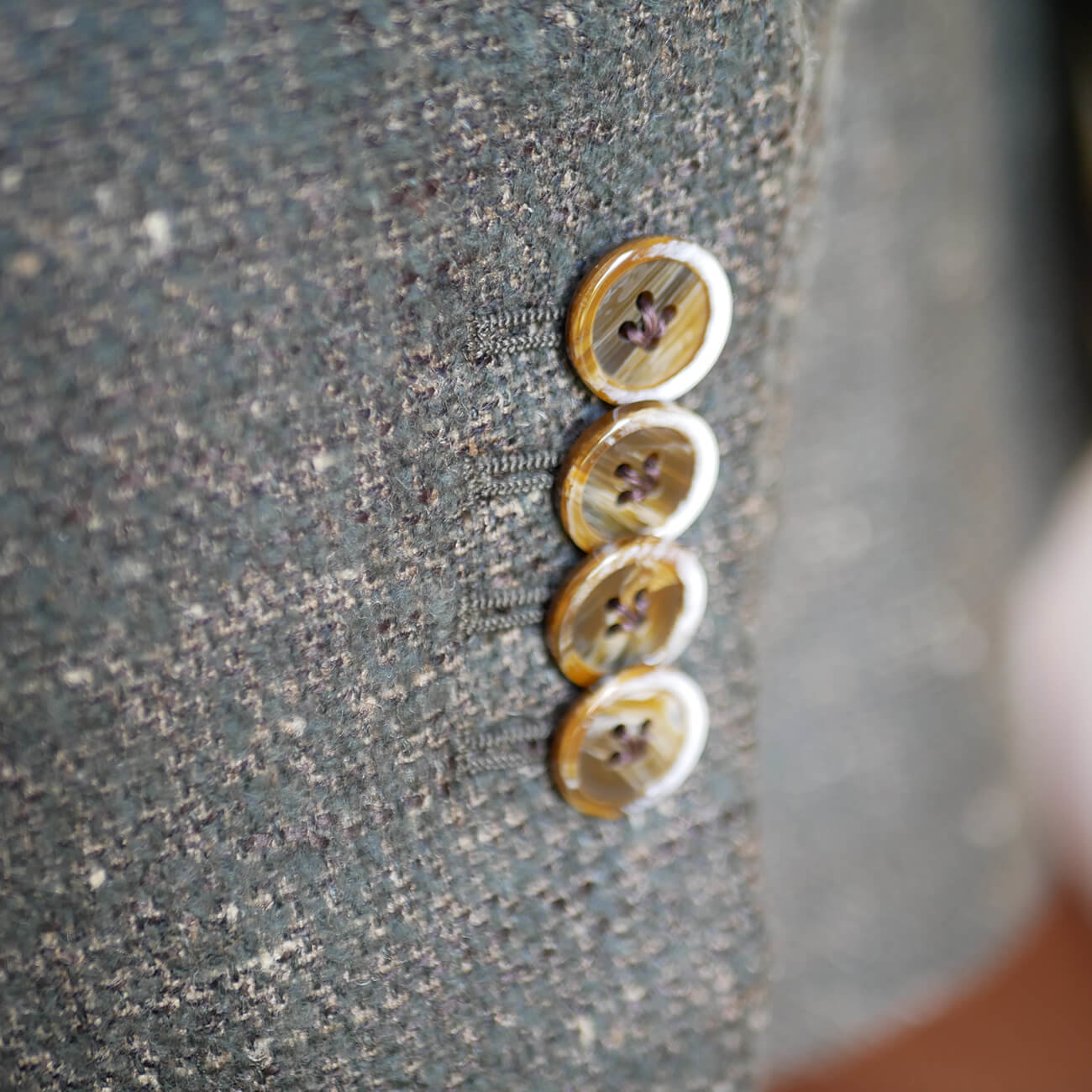
The sleeves of our jackets are also tapered, becoming gradually narrower from the elbow to the cuff. This creates a clean line from the sleeve head through the elbow to the cuff, similar to the tapered silhouette of trousers. It gives the jacket a beautifully streamlined appearance and helps the cuffs stay in place neatly, even when the wearer is moving.
Buttonhole Stitching and Flower Loop
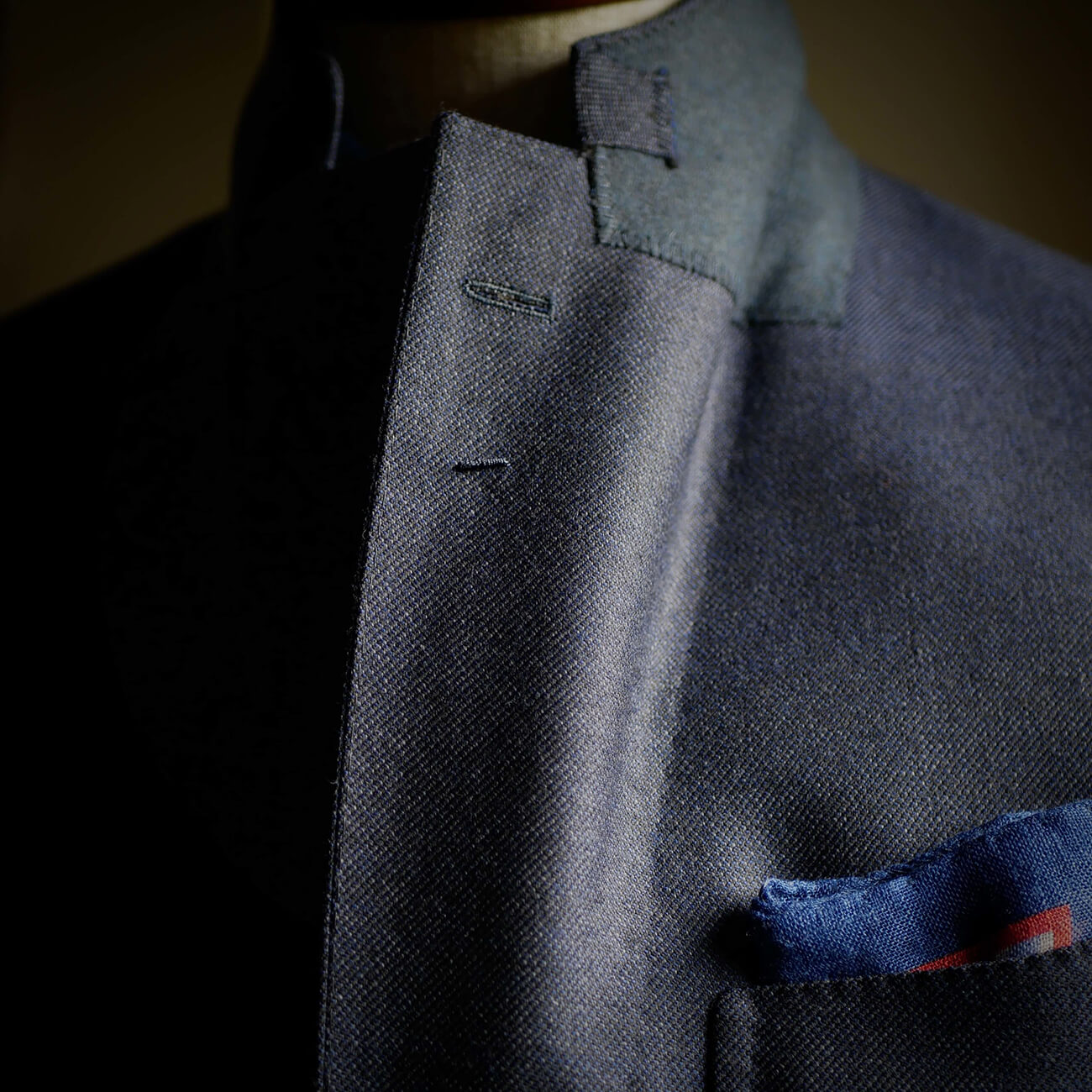
As one of the details that shows careful tailoring, the lapels of our jackets feature buttonhole stitching known in Japanese as hachi-zashi. Hachi-zashi means "eight stitches," and the name comes from the figure-eight pattern used in the stitching. Rather than simply attaching the interlining to the outer fabric with glue, this technique uses delicate stitching to connect them. This helps create a soft and natural roll in the lapel. We also add a flower loop behind the lapel buttonhole, so that when a flower is worn, the stem can be held neatly in place.
Lapel Width and Roll
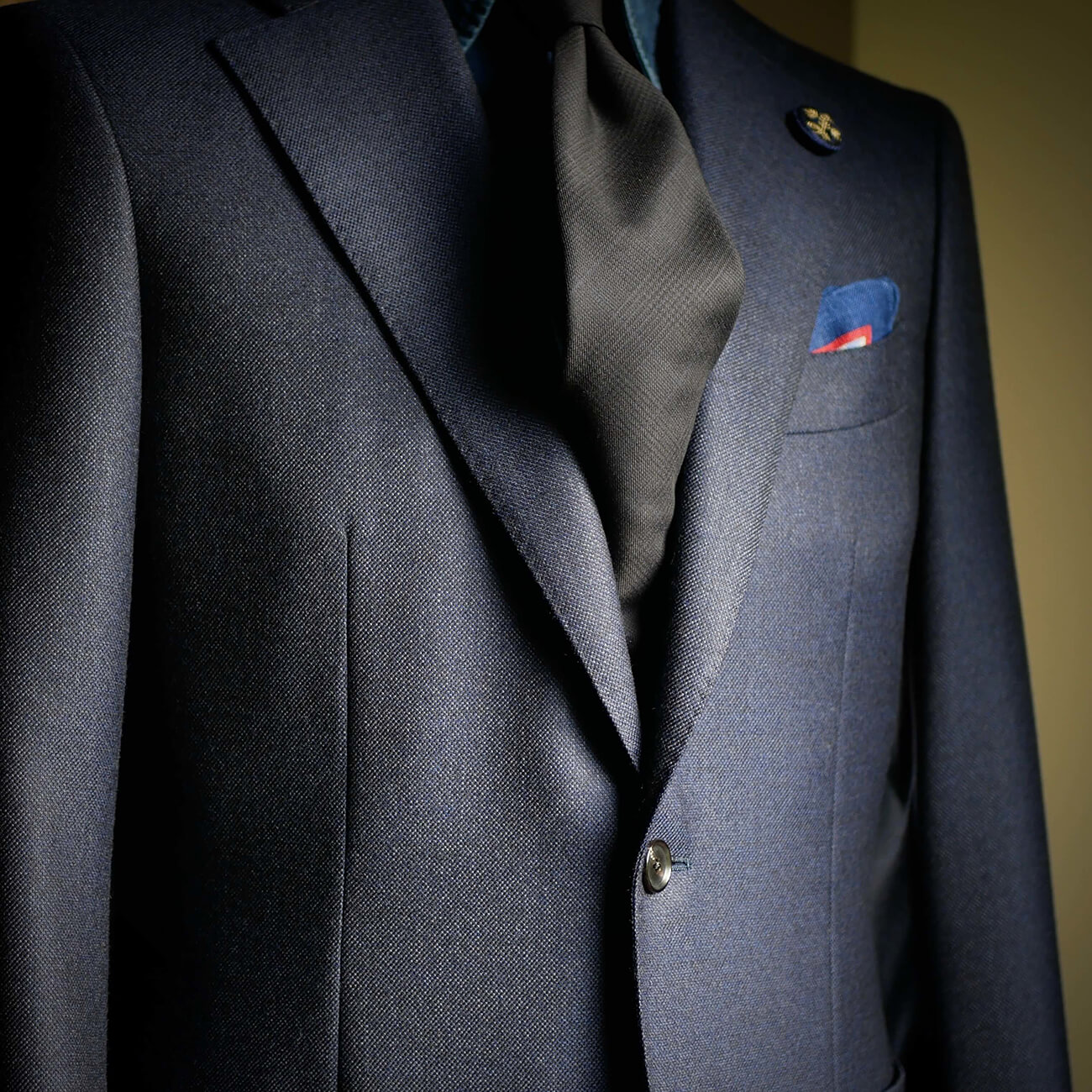
Let me talk about the lapels. At The Dressing Lab, the width of the lapels on our custom jackets can be adjusted according to your preference and body shape. As a basic recommendation, I often suggest a slightly wider lapel. Generally, depending on the size of the jacket, a width of around 9 cm works well. This gives the jacket a classic and dignified impression, and the X-shaped line from the wider lapel to the deep front cut has a timeless appeal. Wide lapels also work very well with casual jackets, so I would be happy for you to try this option. The lapels of our jackets curve outward gracefully before rolling back, creating a beautiful expression.
Regarding the lapel roll, as the word "roll" suggests, a lapel should ideally not look sharply folded. It should roll back gently and naturally. The lapel roll is one of the features I especially like about our jackets at The Dressing Lab. It creates a soft, elegant expression and is one of the details that makes ordering a jacket from us worthwhile.
Vents
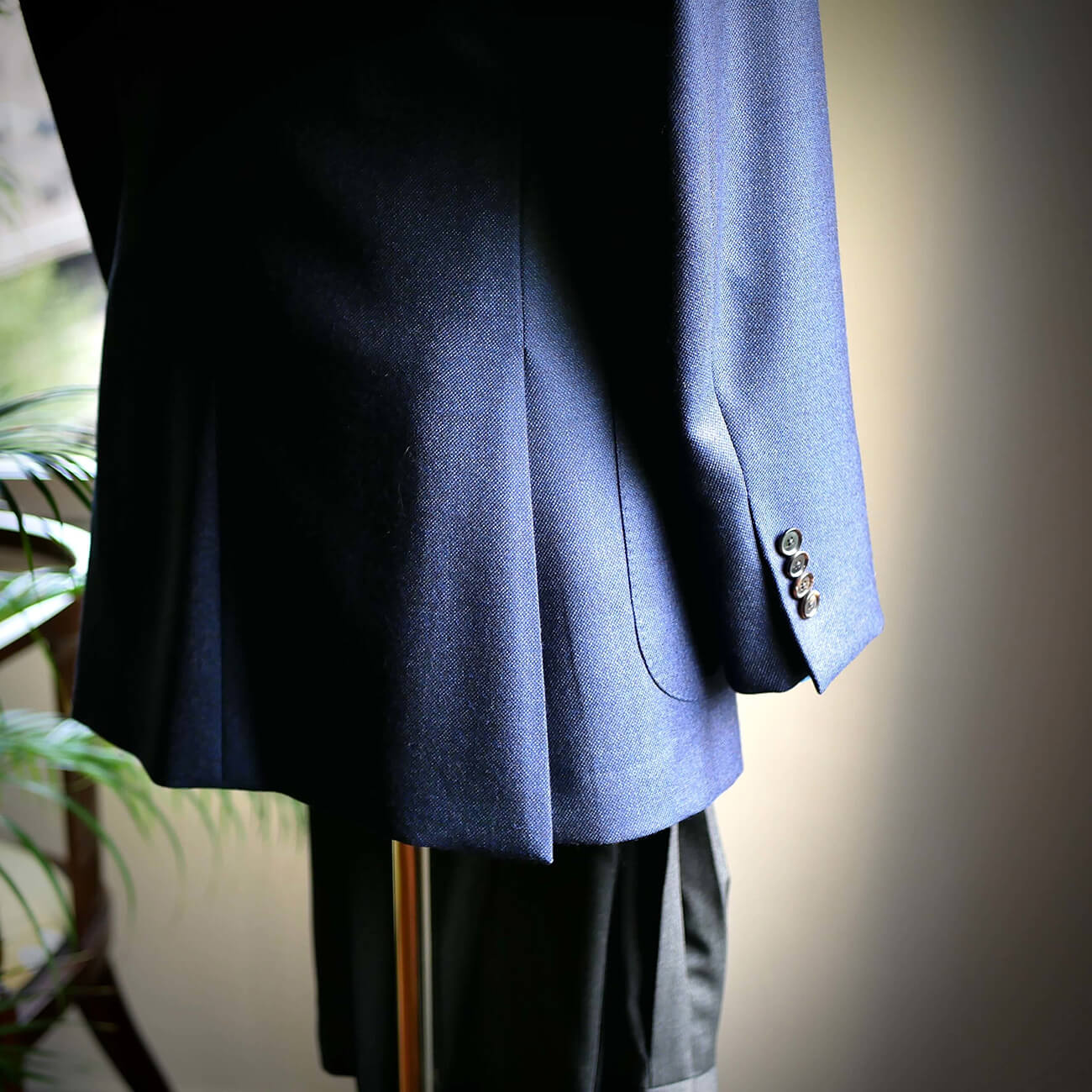
Let me also talk about vents. Vents are the slits at the hem of a jacket. As shown in the image, you can choose side vents, which are slits on both the left and right sides, a single center vent, or no vents at all. You may wonder which type of vent is the correct choice for a jacket, but in truth, there is no single right answer. Unless there is a specific reason to choose otherwise, I usually recommend side vents. Side vents offer a good balance between a casual feel and a sharp appearance. They work well for many occasions, except for very formal settings, and they give the jacket an elegant impression even with a sporty feel. A jacket without vents can also have a clean, minimal appeal, but the graceful movement created by side vents is very attractive. While side vents are my basic recommendation, a center vent can also be a stylish choice, especially for traditional styles such as a navy blazer.
Vents are also closely related to body shape adjustments. Whether the jacket has side vents or a center vent, customers with fuller hips or a slightly arched lower back may experience the vents opening up. With The Dressing Lab's custom jackets, we take this into consideration during the fitting and pattern adjustment process. Our vents are designed with a deeper overlap and a carefully considered angle so that they do not open easily. Depending on the customer's body shape, we may also adjust the hip area of the jacket or modify the pattern so that the jacket sits in the correct position on the body. Through these tailoring techniques and body shape adjustments, we can help reduce the issue of vents opening.
Lastly, let me talk about the fit of the jacket. We often receive this question, especially when a customer orders both a suit and a jacket: "Should the suit jacket and the jacket be made in different sizes?" At The Dressing Lab, depending on the customer's preference and the intended use of the jacket, we often suggest making slight adjustments. One common adjustment is the jacket length. For suit jackets, especially dark suits, we usually recommend a length that properly covers the hips, as this creates a more dressy impression when worn as a suit. Jackets, on the other hand, may be worn not only with dress trousers, but also with cotton trousers or slim jeans. If the jacket length is the same as a suit jacket, it can sometimes look too dressy or unbalanced with more casual trousers. For this reason, while keeping the elegance of the jacket, we often make the length approximately 1 cm to 1.5 cm shorter than a suit jacket. This adjustment is made while considering the purpose of the jacket, the customer's body shape, and the customer's character. In addition to the fit, we also discuss details such as lapel style, double-breasted or single-breasted design, vents, pockets, stitching, and other elements to create a truly personal jacket. I would be very happy for you to try The Dressing Lab's Dress Line jacket and experience the difference.
About Tailoring at The Dressing Lab. Lead Time & Pricing Overview. Click here for more details.
This is an appointment-only establishment. Please book your desired visit date through this link.
Jacket
Photo Gallery
The Dressing Lab specializes in bespoke tailoring. While we can tailor most items given some time, we do not have ready-to-wear garments available for immediate purchase.
We deal exclusively in high-quality custom-made items, requiring at least one month for completion of any piece. For those desiring bespoke services or in cases where fittings are necessary due to body shape, it may be required to visit our salon 2 to 3 times.
We kindly ask for your understanding of the above conditions before placing an order. We eagerly await your consultations and reservations.
*Please make sure to reserve an appointment before visiting our store.
We gladly welcome appointments for consultations or viewings, so please don't hesitate to reach out to us.